Understanding Diabetes Tests: Random Blood Sugar and HbA1c
CCClinics On Cloud TeamPublished from Pune, India
Preventive Care
“
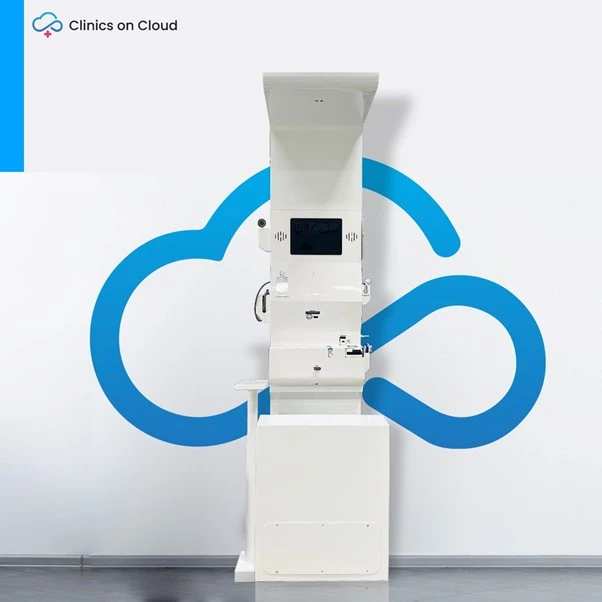
A random blood sugar test measures glucose in the blood at the moment of testing, while HbA1c measures glucose bound to haemoglobin and reflects average glucose over roughly the previous two to three months. The Clinics On Cloud Health Kiosk runs both from one finger-prick sample, with no fasting required.
Random blood sugar is a spot measurement needing no preparation, which is why it is the glucose test used in walk-in screening. It moves with your last meal, acute illness, stress and some medication.
HbA1c works differently. Glucose binds to haemoglobin inside red blood cells and stays bound for the life of that cell, roughly three months, so the proportion of glycated haemoglobin reflects average glucose exposure across that period. It cannot be changed by one careful day of eating. Anaemia, recent blood loss or transfusion, pregnancy and haemoglobin variants such as thalassaemia trait and sickle cell trait can all influence the result, which is a further reason interpretation belongs with a physician who knows your history.
Why a health kiosk runs both together
Each test is blind to what the other sees. A spot glucose reading can land at a good moment while the underlying average has been higher for months, and an HbA1c can sit within range while something acute pushes glucose up today. Running both from a single finger-prick sample removes the choice.
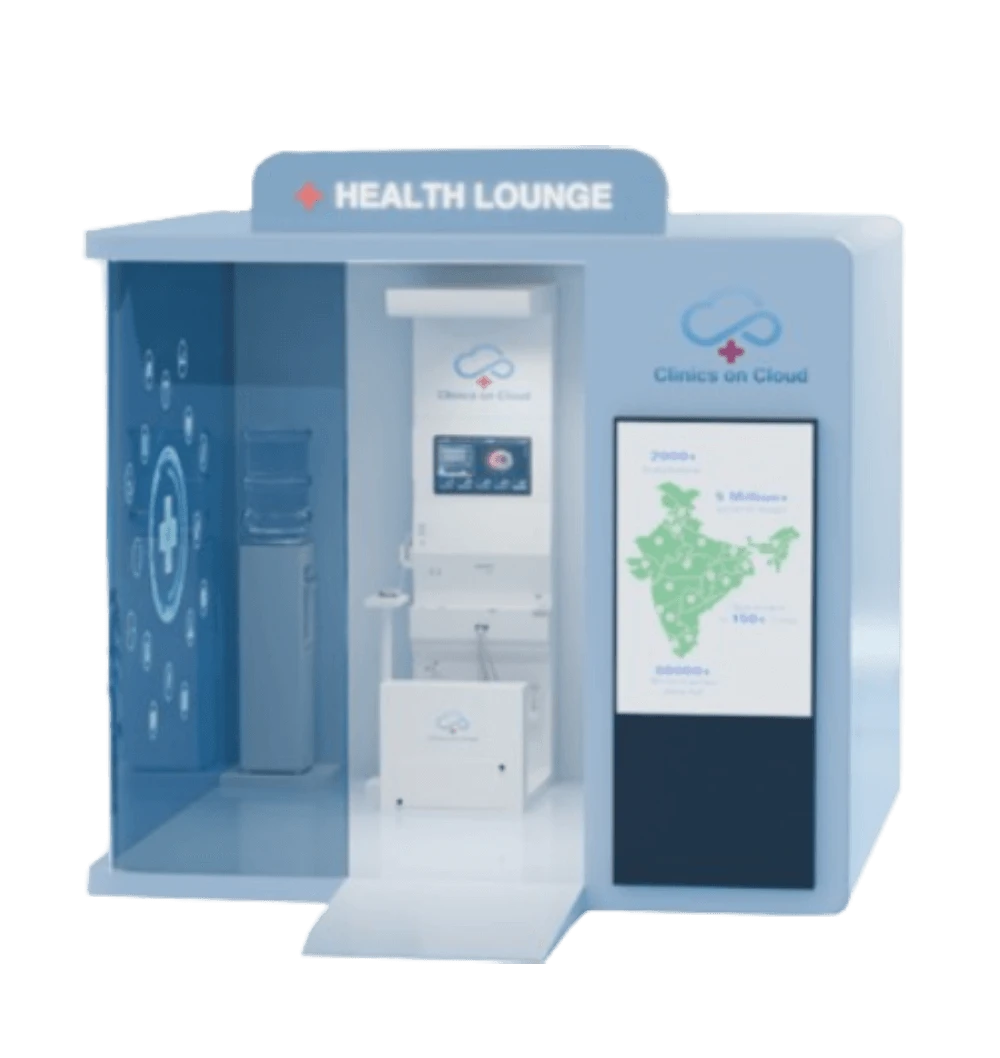
The Clinics On Cloud Health Kiosk screens 2 diabetes parameters within 65+ clinical parameters across 14 specialties, and the same sample also runs the lipid panel and haemoglobin where enabled. See the complete 65+ clinical parameter map and what an ECG, blood pressure reading and lipid profile each measure. Clinics On Cloud is India’s first CDSCO-licensed Health ATM and Health Kiosk manufacturer, operating from Chakan MIDC, Pune, under SehatPro Technologies Pvt Ltd.
Who should get screened
Screening priorities follow risk factors recognised by the World Health Organization (WHO), the Indian Council of Medical Research (ICMR), the International Diabetes Federation (IDF) and the American Diabetes Association. How often you should screen is a decision for your physician.
Adults over 30, particularly in South Asian populations
Anyone with a parent or sibling living with diabetes
People carrying excess weight around the abdomen, or with a largely sedentary routine
Anyone with raised blood pressure or an abnormal lipid profile
Women with a history of gestational diabetes, and women with polycystic ovary syndrome
Anyone previously told they had a borderline or prediabetic reading
People already living with diabetes, alongside the monitoring their physician has set
Anyone with excessive thirst, frequent urination, unexplained weight loss, blurred vision, confusion or a wound that is not healing should see a doctor now.
What your results indicate
A Clinics On Cloud report is colour-coded into three bands: within standard reference ranges, borderline, and outside range. The band is a routing instruction, not a conclusion.
Both within range. Nothing on the day fell outside standard reference ranges. A baseline, not a clearance.
Borderline. The direction of travel across repeat screenings matters more than the single figure.
Outside range. A prompt for clinical assessment and confirmatory laboratory testing. The kiosk offers a live teleconsultation on the spot when a reading is flagged.
The cut-offs separating these bands are not set by Clinics On Cloud. They are defined by standard clinical guidance from WHO, ICMR, the IDF and the American Diabetes Association, differ between guidelines, and are applied differently in pregnancy, in children, in older adults and in people with anaemia or haemoglobin variants. Take the report to a qualified physician rather than reading your number against a general chart. This page gives no dietary, lifestyle or medication advice.
Device accuracy is 90–95%, depending on the test and device, under correct usage, calibration and patient preparation. These are screening-grade results, not a substitute for an accredited laboratory assay.
Clinics On Cloud provides preventive health screening and is not a diagnostic laboratory. Screening results are indicative and are not a diagnosis. Always consult a qualified physician before acting on any health information.
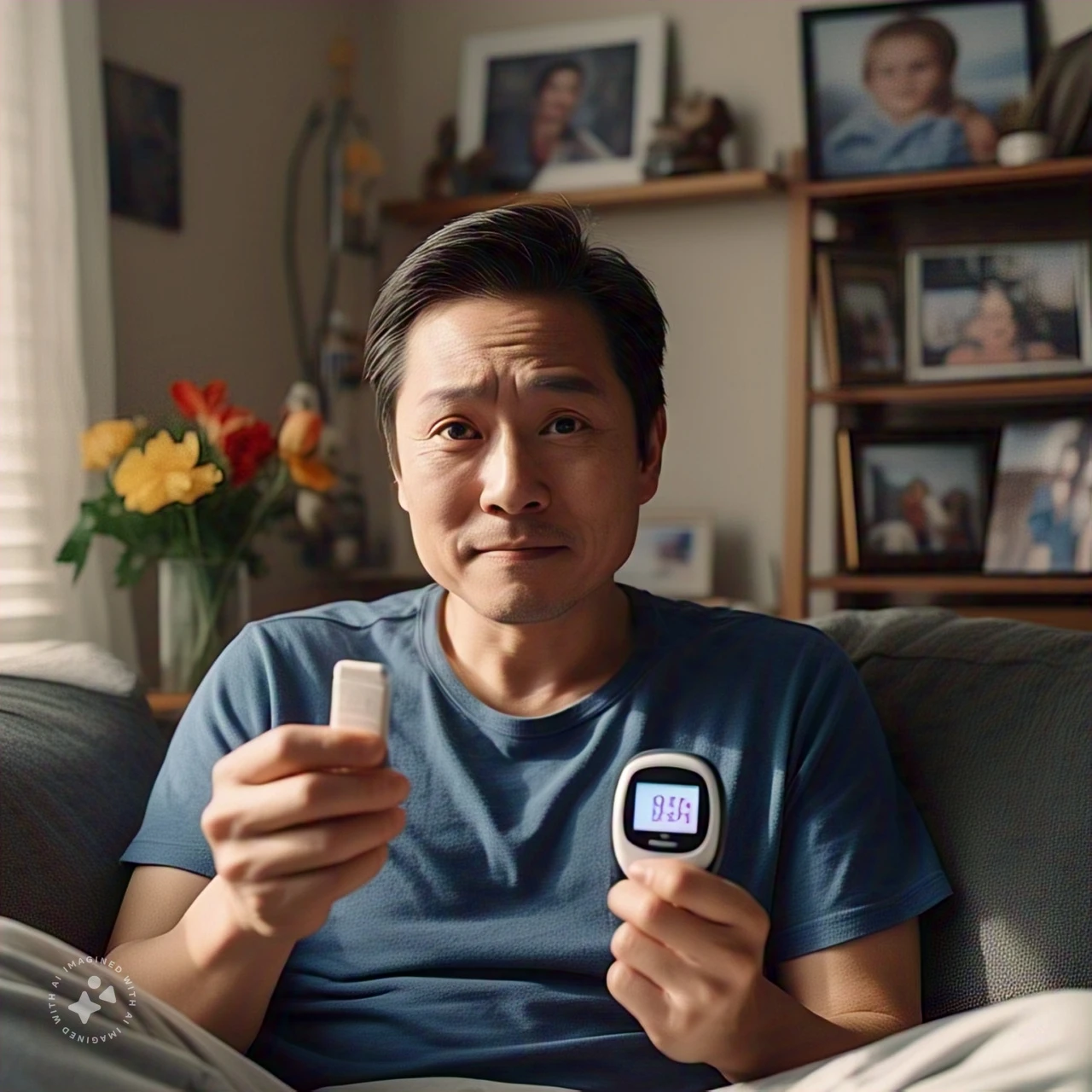
A random blood sugar test measures the glucose circulating in your blood at the moment the sample is taken, with no fasting or appointment needed. On a Clinics On Cloud Health Kiosk it runs from a finger-prick sample and appears on the report within minutes. It moves with your last meal, so it is a screening prompt rather than a conclusion.
What is an HbA1c test?
HbA1c, or glycated haemoglobin, measures the proportion of haemoglobin in your red blood cells that has glucose attached. Because red blood cells live roughly three months, the result reflects average glucose exposure across that period. No fasting is required, and one careful day of eating cannot influence it.
What is the difference between RBS and HbA1c?
RBS measures glucose right now; HbA1c reflects the average over roughly two to three months. RBS is a photograph, HbA1c is a time-lapse. A kiosk runs both because each is blind to what the other sees: a spot reading can land at a good moment while the underlying average has been higher.
Do I need to fast for these tests?
No. Both are designed to run without fasting, which is why they are the two diabetes parameters used at screening kiosks. If your physician has asked for a fasting laboratory glucose test, follow that instruction; a screening result does not replace it.
Can a health kiosk diagnose diabetes?
No. A Clinics On Cloud Health Kiosk screens and flags; it does not diagnose. It identifies readings outside standard reference ranges and prompts follow-up, including a live teleconsultation at the machine. Diagnosis is a clinical decision made by a qualified physician, normally supported by confirmatory laboratory testing.
How accurate is a kiosk HbA1c result?
Clinics On Cloud states device accuracy of 90–95%, depending on the test and device, under correct usage, calibration and patient preparation. That is screening grade: good enough to identify who should see a doctor, and not a replacement for an accredited laboratory HbA1c assay.
What should I do if my result is flagged?
Take the teleconsultation offered at the kiosk if you can, then see a qualified physician with the printed report. A flagged screening result normally leads to confirmatory laboratory testing. Do not start, stop or change any medication, diet or supplement on the basis of a screening report.
How much does a health kiosk with RBS and HbA1c cost?
Indicative pricing for a Clinics On Cloud Health ATM starts from ₹6,00,000. The diabetes module affects the figure through the analyser fitted, and glucose and HbA1c cartridges are recurring consumables quoted separately. Share your expected monthly volume for a realistic total cost of ownership.
Get In Touch
Healthcare is a right. Not a privilege.
We started Clinics on Cloud with a simple belief - that the quality of your healthcare should not depend on your postcode. Whether you're a government, corporate, NGO or entrepreneur - we built this for you.
Call us
+91 8999 073 447
Mon - Sat · 9 AM to 6 PM IST
Write to us
sales@clinicsoncloud.com
Partnerships · Deployments · Support
Visit us online
www.clinicsoncloud.com
Products · Case Studies · News
Find us
Nighoje, Chakan MIDC
Pune, Maharashtra - 410501, India
Built for every kind of health partner.
Government Body Corporate / HR Team NGO / CSR Partner Hospital or Clinic Defence Organisation International Partner Investor / Distributor Rural Entrepreneur
 Entry · PC-77Preventive Care