Karnataka is one of India’s fastest-growing digital and healthcare ecosystems. With a population of 7 crore+, Karnataka has advanced medical systems in Bengaluru, Mysuru, Mangaluru, Hubballi-Dharwad, but rural and tribal belts still struggle with access to early diagnosis and preventive care.
CCClinics On Cloud TeamPublished from Pune, India
Health ATM
“
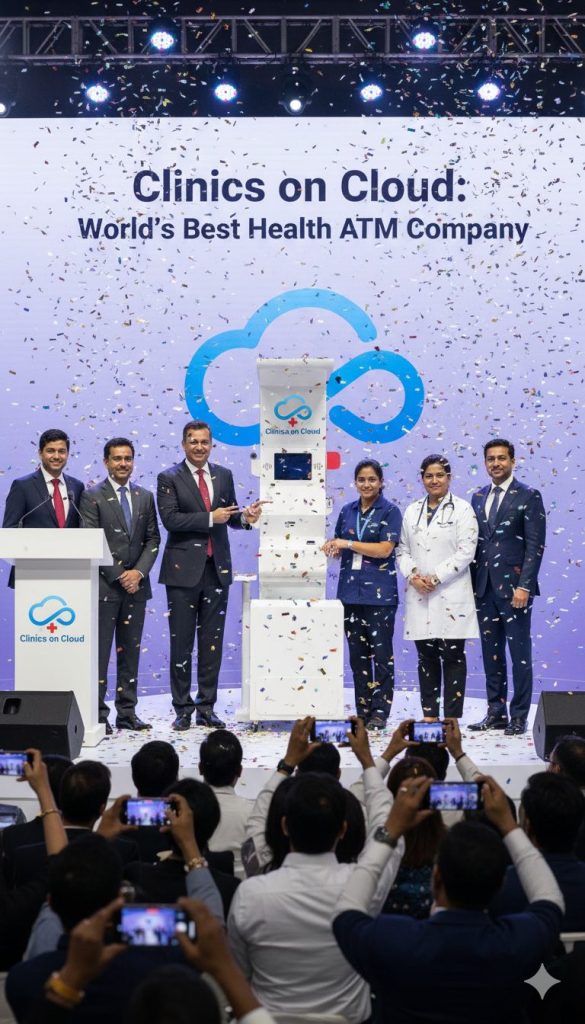
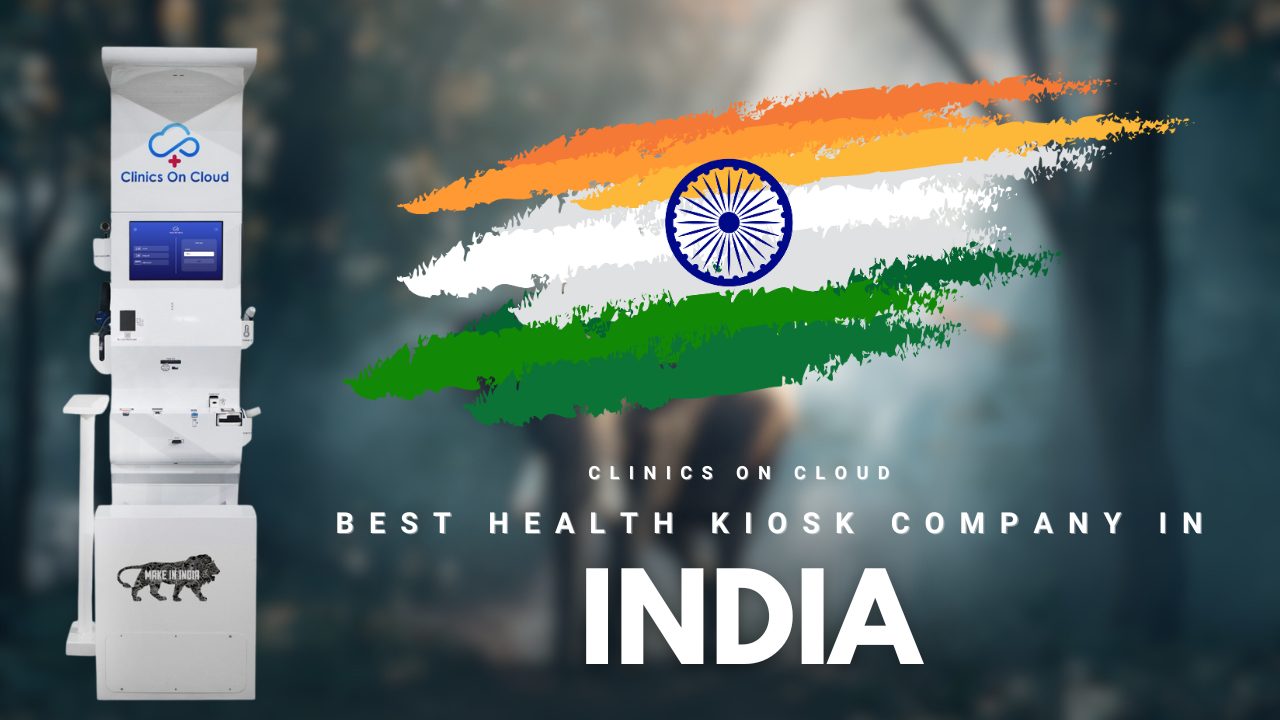
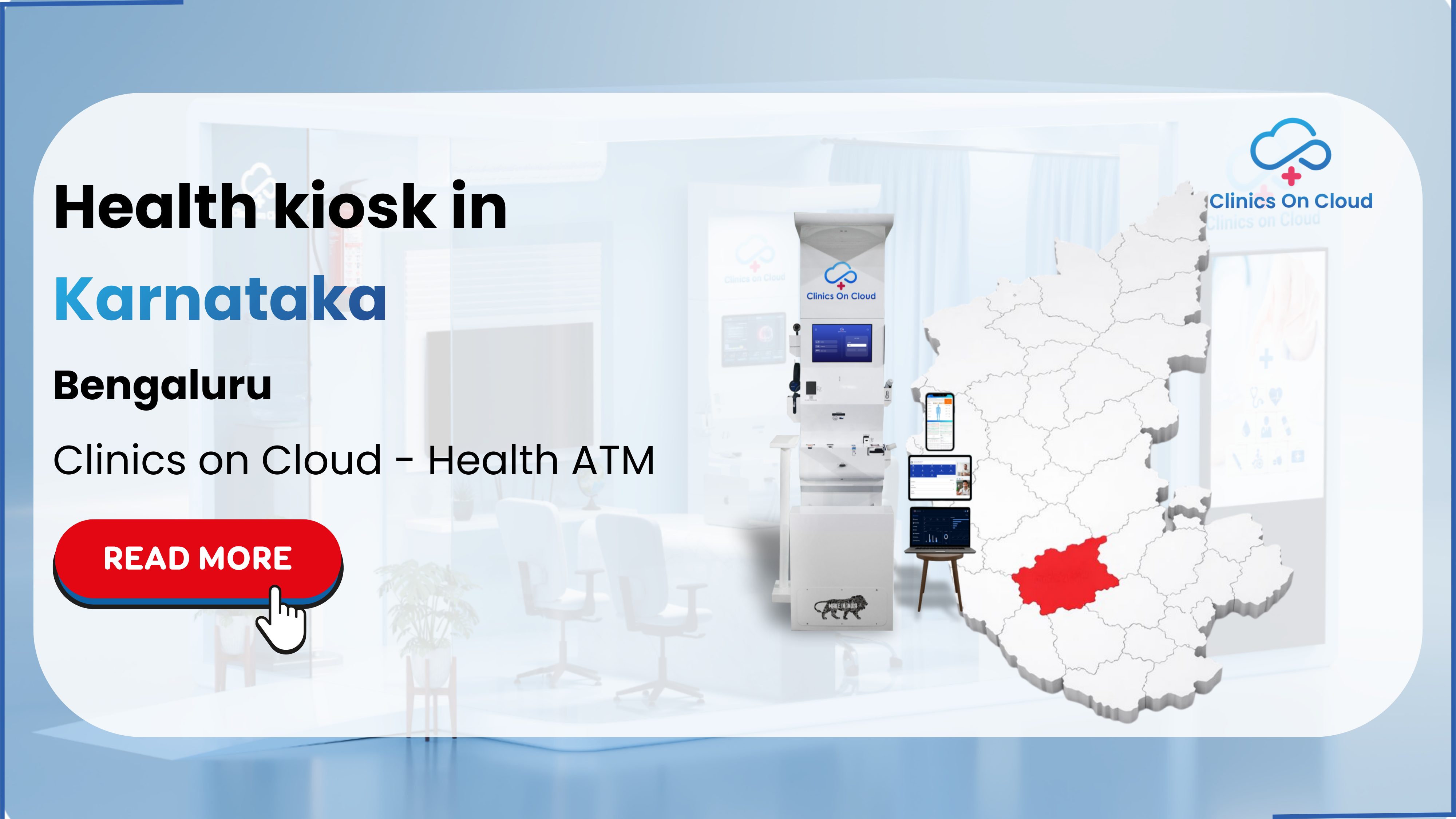
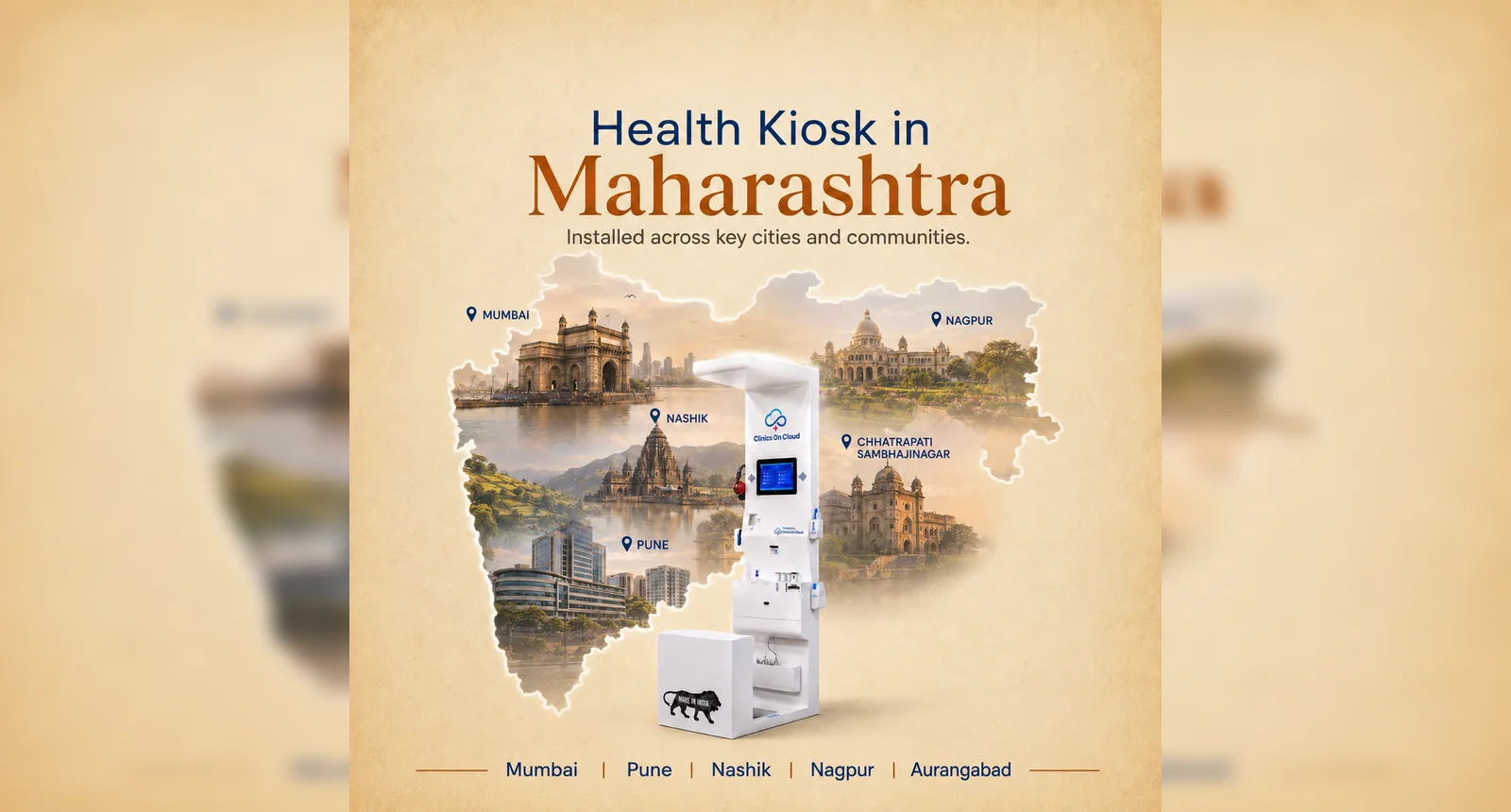
A Health ATM is a self-service screening station that captures 65+ clinical parameters across 14 specialties in a 10-minute checkup, prints or messages a colour-coded report, and connects the user to a doctor on video when a result is flagged. Clinics On Cloud supplies health kiosks across Karnataka and is India’s first CDSCO-licensed Health ATM and Health Kiosk manufacturer.
Which sectors in Karnataka actually buy health kiosks
Karnataka does not have one buyer profile. It has at least six, and each one buys a health kiosk for a different reason. The table sets out who they are and what triggers the purchase.
Sector
Where in Karnataka
What drives the screening need
IT, ITES and global capability centres
Bengaluru, Mysuru, Mangaluru
Sedentary desk work, long commutes, employer wellness budgets
Noise, heat and metal-dust exposure across many small units
Education
Manipal, Mysuru, Dharwad, Davanagere, Bengaluru
Large resident student populations and annual health check mandates
Pilgrimage and tourism
Dharmasthala, Kukke Subramanya, Udupi, Hampi
Time-bound crowds, elderly visitors, long travel
Technology campuses and global capability centres
Bengaluru is the densest corporate wellness market in south India, and the buyer there is usually an HR or facilities lead rather than a clinician. Electronic City, Whitefield, the Outer Ring Road corridor, Manyata and Bagmane campuses run thousands of employees through a single building.
The problem those employers describe is consistent: staff will not take half a day off for a diagnostic appointment, so annual health checks go unused. A kiosk placed near a cafeteria or a lift lobby converts that dead budget into completed screenings, because 10 minutes fits into a coffee break. For campuses that want the screening to feel like a benefit rather than a medical procedure, the Health Lounge is the branded version of the same capability.
Garment, silk and textile units
Karnataka’s garment industry employs a very large shop-floor workforce, concentrated around Bengaluru’s Peenya and Bommanahalli belts, Ramanagara, Doddaballapur and the Ballari denim cluster. Silk reeling and weaving run through Ramanagara and Sidlaghatta.
Two things make a kiosk work here. First, screening has to happen on site during a shift break, because workers are paid by output and will not lose hours. Second, the interface has to be usable by someone with limited literacy, which is why voice-guided Kannada matters more than a feature list. Anaemia and general health screening are the parameters HR teams in this sector ask about first.
The mining, steel and cement belt
Ballari, Sandur and Hospet form an iron ore, sponge iron and steel belt. Bagalkot and Chikkaballapur carry cement and quarrying activity, and Ilkal adds granite. This is a dusty, hot working environment with contractor labour moving between sites.
The kiosk value here is pulmonary function testing alongside general health and cardiac parameters, and a digital record that follows the worker rather than sitting in a site register. Because 3 to 4 days of battery backup is built in, a unit keeps running through the power interruptions typical of remote plant locations.
Coffee estates and the Malnad districts
Kodagu, Chikkamagaluru, Hassan and Shivamogga are the opposite of a Bengaluru campus. Estates are spread across hilly, forested terrain in the Western Ghats, roads deteriorate in the monsoon, and estate labour includes seasonal migrants from Assam, West Bengal, Odisha and Jharkhand.
A fixed kiosk suits an estate headquarters or a planters’ association building. For scattered labour lines, the portable Box Clinic is the more realistic format, because it travels to the workers instead of asking them to travel. Offline operation is not optional in Malnad. Connectivity drops, and the screening still has to complete and sync later.
Coastal Karnataka: ports, fisheries and shipping
Mangaluru, Malpe, Karwar and the Udupi coast run on port handling, fishing fleets, seafood processing and shipping support work. New Mangalore Port and the surrounding petrochemical and refinery activity add a large contractor population.
Screening at a harbour or gate suits pre-shift checks. Coastal Karnataka also has a distinct language requirement, covered below, and a workforce that rotates between sea trips, which makes a report delivered on WhatsApp far more useful than one handed over on paper.
Engineering, foundry and education clusters
Belagavi has one of India’s larger foundry and automotive-casting clusters, mostly small and medium units. Hubballi-Dharwad adds machine tools, rail workshops and a growing services base. Individually these units are too small to run an occupational health room, so a shared kiosk at an industrial association office serves several employers at once.
Education is a separate buyer again. Manipal, Mysuru, Dharwad and Davanagere host large resident student populations. Campus health centres use kiosk screening for intake checks and hostel health drives, and the mental health screening instruments in the parameter set are the reason many campuses enquire in the first place.
Which languages a Karnataka kiosk has to speak
Kannada first, with voice guidance rather than text alone. That single decision determines whether a garment worker or an estate labourer completes a screening without help.
Karnataka then layers on more. Tulu and Konkani are widely spoken along the Karavali coast. Urdu is common in the Kalyana-Karnataka districts around Kalaburagi and Bidar. Marathi is spoken across the Belagavi border belt. Bengaluru and the plantation districts carry Hindi, Tamil, Telugu, Bengali and Odia among migrant workers. The Clinics On Cloud kiosk uses a multilingual touchscreen with audio-visual guidance, so the same hardware serves all of these without a different unit per district.
Price, AMC and how to run a pilot
Indicative Health ATM pricing starts from ₹6,00,000, and the final quotation depends on which of the 14 specialties you configure, expected monthly volume and consumable mix. Annual maintenance covers calibration, preventive visits, sensor checks and spares.
A sensible Karnataka pilot runs like this:
Pick two sites from different sectors, for example one Bengaluru campus and one plant or estate.
Set a screening target per site per month, not a vague awareness goal.
Run 90 days, then compare throughput, abnormality flag rate and teleconsultation conversion.
Use the dashboard output to decide the configuration for the wider rollout.
Clinics On Cloud provides preventive health screening and is not a diagnostic laboratory. Screening results are indicative and are not a diagnosis. Always consult a qualified physician before acting on any health information.
Common Karnataka sites include Bengaluru and Mysuru technology campuses, garment and textile units, plant premises in the Ballari and Bagalkot belt, coffee estate offices in Kodagu and Chikkamagaluru, harbour and port facilities at Mangaluru and Karwar, college campuses and district hospitals. The unit needs a power point, a few square feet and footfall.
Is there a Health ATM supplier in Karnataka?
Yes. Clinics On Cloud supplies and services Health ATMs across Karnataka, manufactured at its facility at Nighoje, Chakan MIDC, Pune. Karnataka buyers are covered for installation, calibration and spares, and can arrange a factory inspection before placing an order.
How long does Health Kiosk installation take in Karnataka?
A prepared single site is surveyed, delivered, commissioned and handed over in days. Estate and plant sites in Malnad or the mining belt take longer only when road access or power provisioning is the constraint. Staff orientation takes under a day, since no skilled operator is required.
Do you provide service and AMC in Karnataka?
Yes. Annual maintenance contracts cover scheduled preventive visits, calibration, consumable supply and spares, including coastal and plantation districts. Agree the response window in the contract before signing, because that number, not the purchase price, determines your effective uptime.
How much does a Health ATM cost in Karnataka?
Indicative pricing starts from ₹6,00,000. Configuration drives the final figure: a Bengaluru corporate unit, a mining-belt unit with pulmonary function testing and a campus unit carry different sensor sets. Rental and CSR-funded models are available. Send your site list and volume target for a quotation.
How do I buy a health kiosk for a Bengaluru office or a Karnataka factory?
Begin with a site survey and an agreed monthly screening target. Clinics On Cloud proposes a configuration, an AMC schedule and dashboard access, then most buyers pilot two sites before scaling. Multi-site buyers should confirm dashboard aggregation upfront, because that is what makes a rollout reportable.
Does the Health Kiosk work in Kannada?
Yes. The touchscreen and audio guidance are multilingual, so a screening can be completed in Kannada, and other languages can be enabled for sites with Tulu, Konkani, Urdu, Marathi, Hindi or Bengali speakers. Voice guidance means low literacy does not block a screening.
Will our doctors accept a kiosk report?
A Health Kiosk screens and flags; it does not diagnose, and Clinics On Cloud is not a diagnostic laboratory. Device accuracy is 90 to 95 percent depending on the test and device, under correct usage, calibration and patient preparation. Reports are intended to raise awareness and prompt appropriate follow-up with a qualified physician.
Get In Touch
Healthcare is a right. Not a privilege.
We started Clinics on Cloud with a simple belief - that the quality of your healthcare should not depend on your postcode. Whether you're a government, corporate, NGO or entrepreneur - we built this for you.
Call us
+91 8999 073 447
Mon - Sat · 9 AM to 6 PM IST
Write to us
sales@clinicsoncloud.com
Partnerships · Deployments · Support
Visit us online
www.clinicsoncloud.com
Products · Case Studies · News
Find us
Nighoje, Chakan MIDC
Pune, Maharashtra - 410501, India
Built for every kind of health partner.
Government Body Corporate / HR Team NGO / CSR Partner Hospital or Clinic Defence Organisation International Partner Investor / Distributor Rural Entrepreneur
 Entry · HA-84Health ATM