Building the infrastructure layer for the global microclinic economy
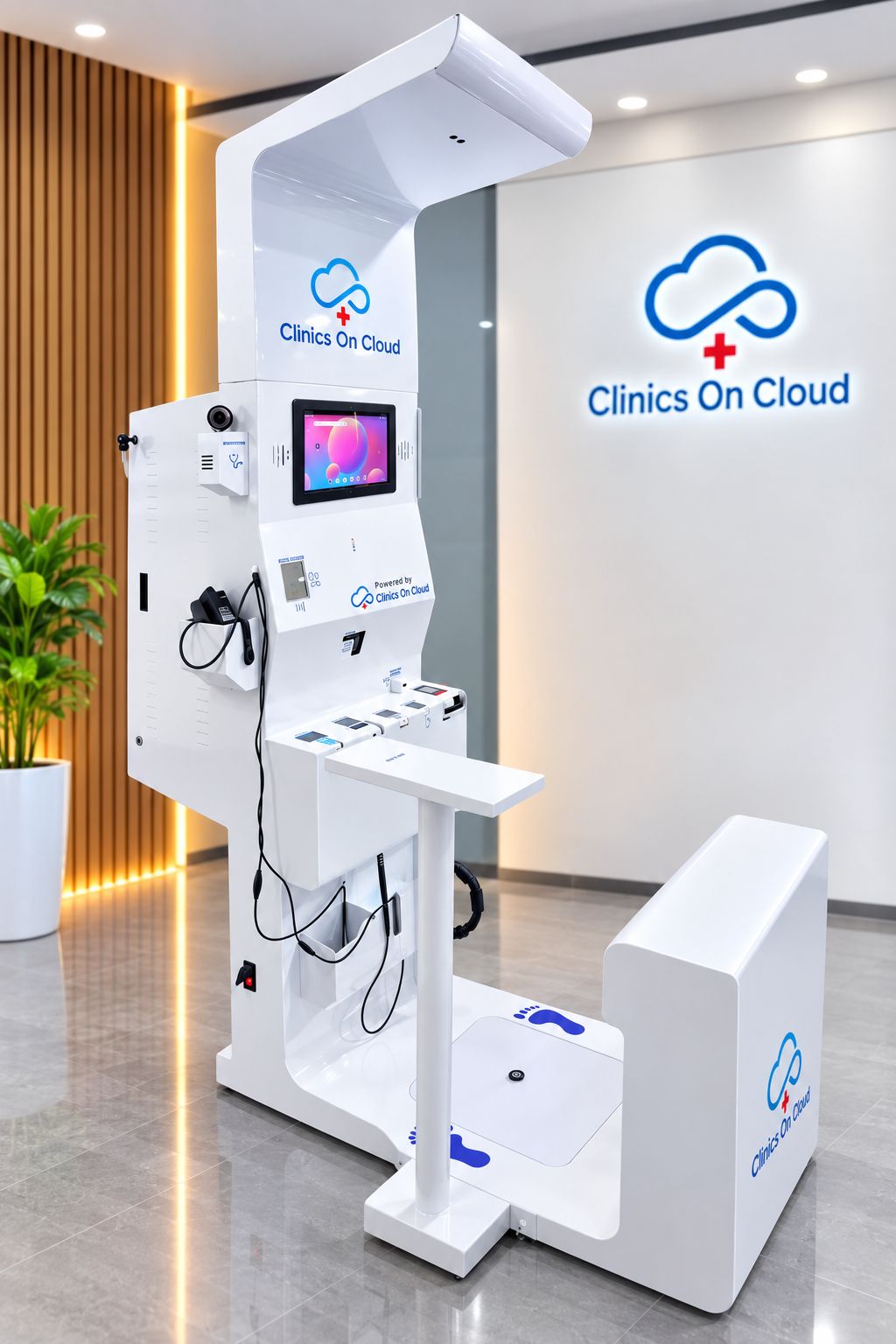
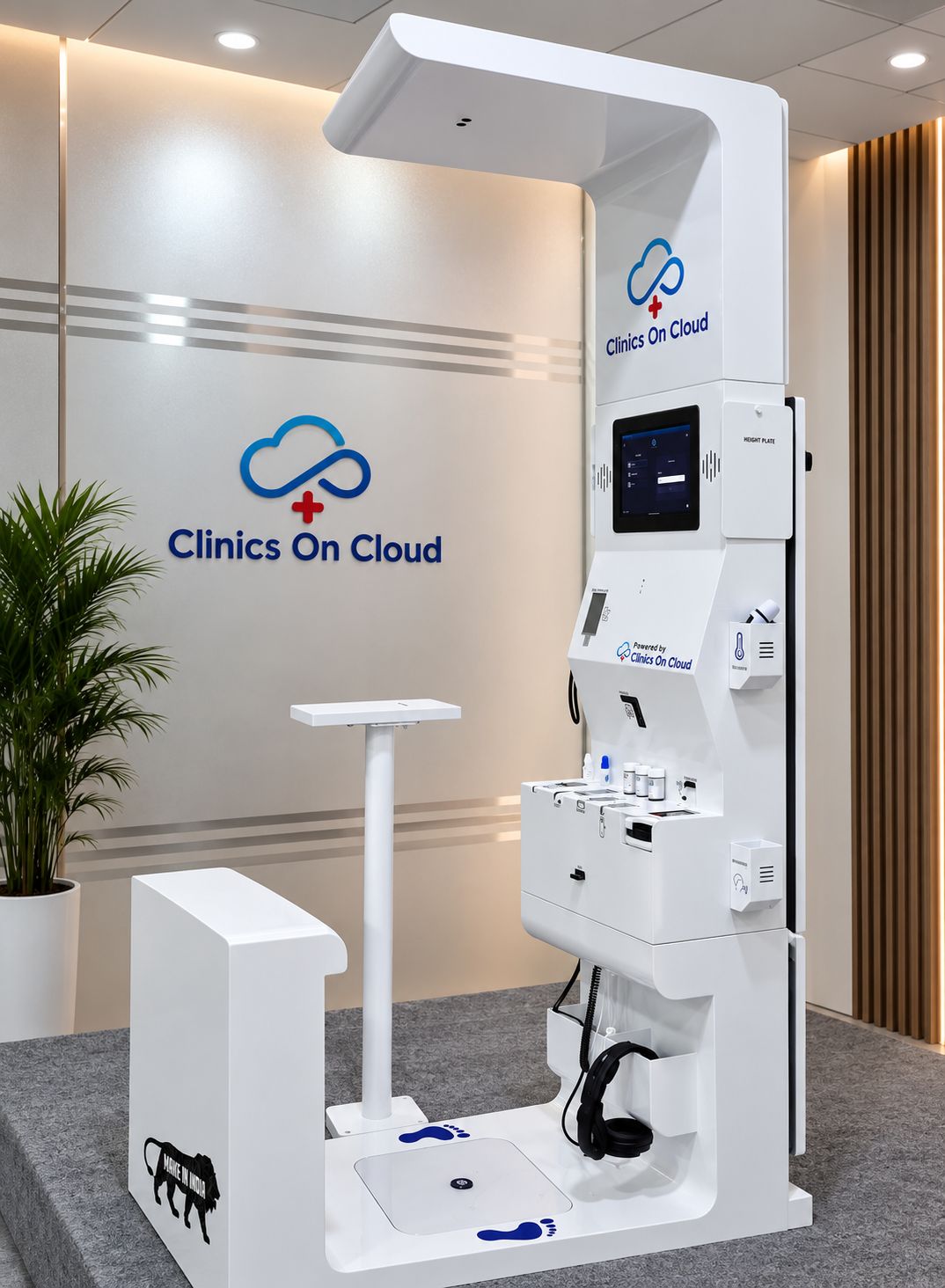
World's most advanced AI-powered Health ATM - a complete health checkup in just 10 minutes, engineered for 65+ clinical parameters. From boardrooms to battlefields, across 8+ countries.
Certified · Compliant · Secure
98%
SpO₂
120/80
BP · mmHg
36.6°
Temp
5.4 %
HbA1c
13.8
Hb · g/dL
72 BPM · LIVE
Live vitals orbiting the kiosk
The Journey
Healthcare's ATM moment has arrived.
ATMs once put banking within everyone's reach. Clinics On Cloud does the same for health - a complete medical check-up, wherever people already are. Step up to a kiosk and, in about ten minutes, walk away with a 40+ parameter checkup, AI insights and a doctor's guidance - on a platform engineered for 65+ clinical parameters. No appointment. No lab. No waiting.
01
Screen
Health parameters captured
02
Assess
AI-assisted health assessment
03
Record
Medical & family history
04
Connect
Instant doctor teleconsult
05
Receive
Digital Rx & care plan
The Ten Minutes
The intelligence behind those ten minutes.
One seamless flow - intelligent screening builds the context, an AI layer turns raw signals into insight, and a doctor steps in with the full picture already in hand.
01
Step 01
Smart Screening & Context Building
Vitals captured via integrated medical devices
AI-assisted medical & family history collection
Voice-enabled, multilingual interaction
Designed for first-time & rural users
02
Step 02
AI Intelligence Layer
Instant analysis of ECG, heart sounds & vitals
Context-aware insights with history & trends
Risk indicators + health score generated live
Smart Reports delivered via WhatsApp
03
Step 03
Doctor Connect, Redefined
Full patient context surfaced in 15 seconds
AI-assisted consultation workflows
Voice-editable AI-generated prescriptions
E-prescription auto-sent to the patient
The Hardware
Our Products
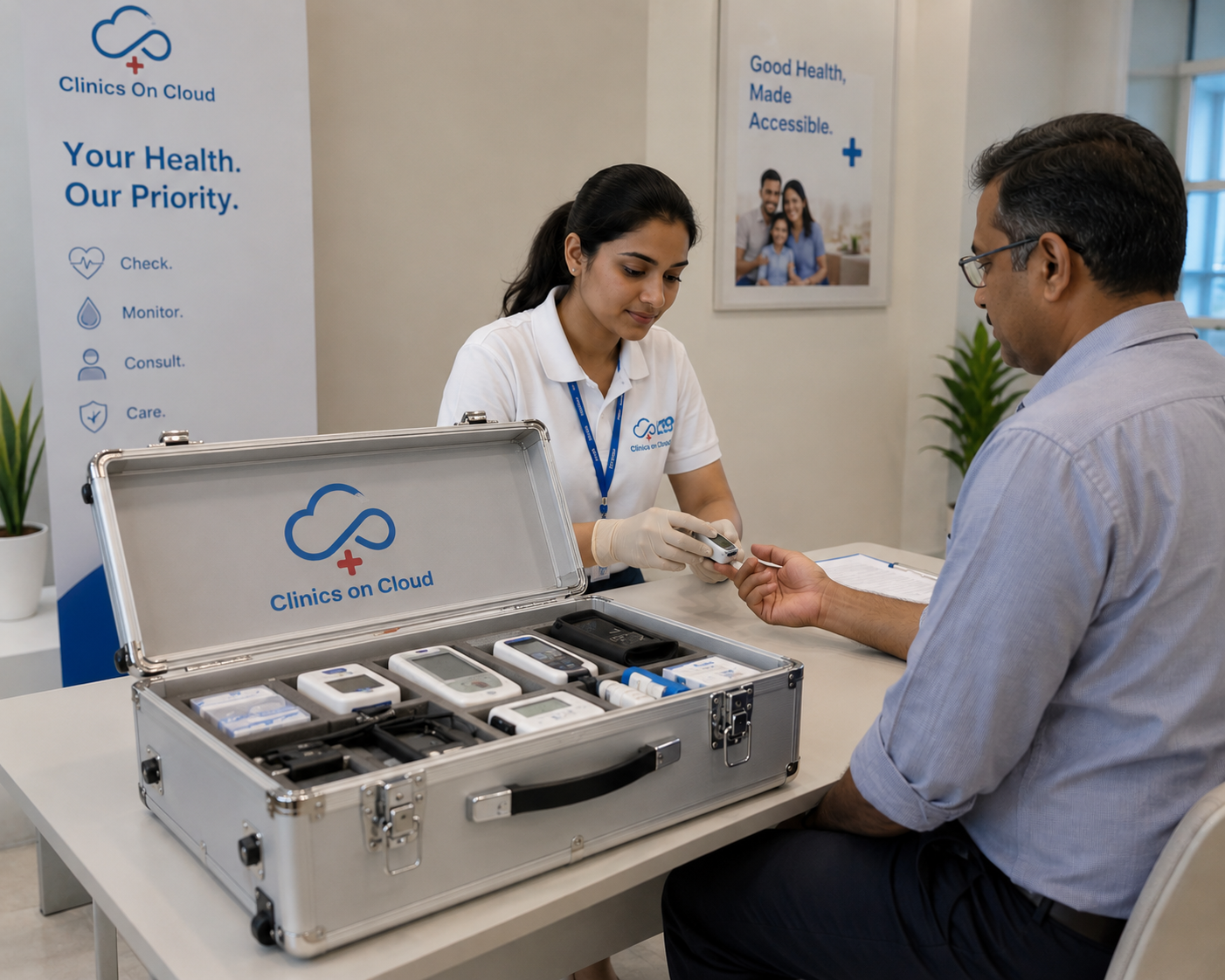
From a smart kiosk to a portable field unit, a premium wellness lounge and a fully-equipped mobile van - pick what fits your deployment.
01
01 · Smart Kiosk
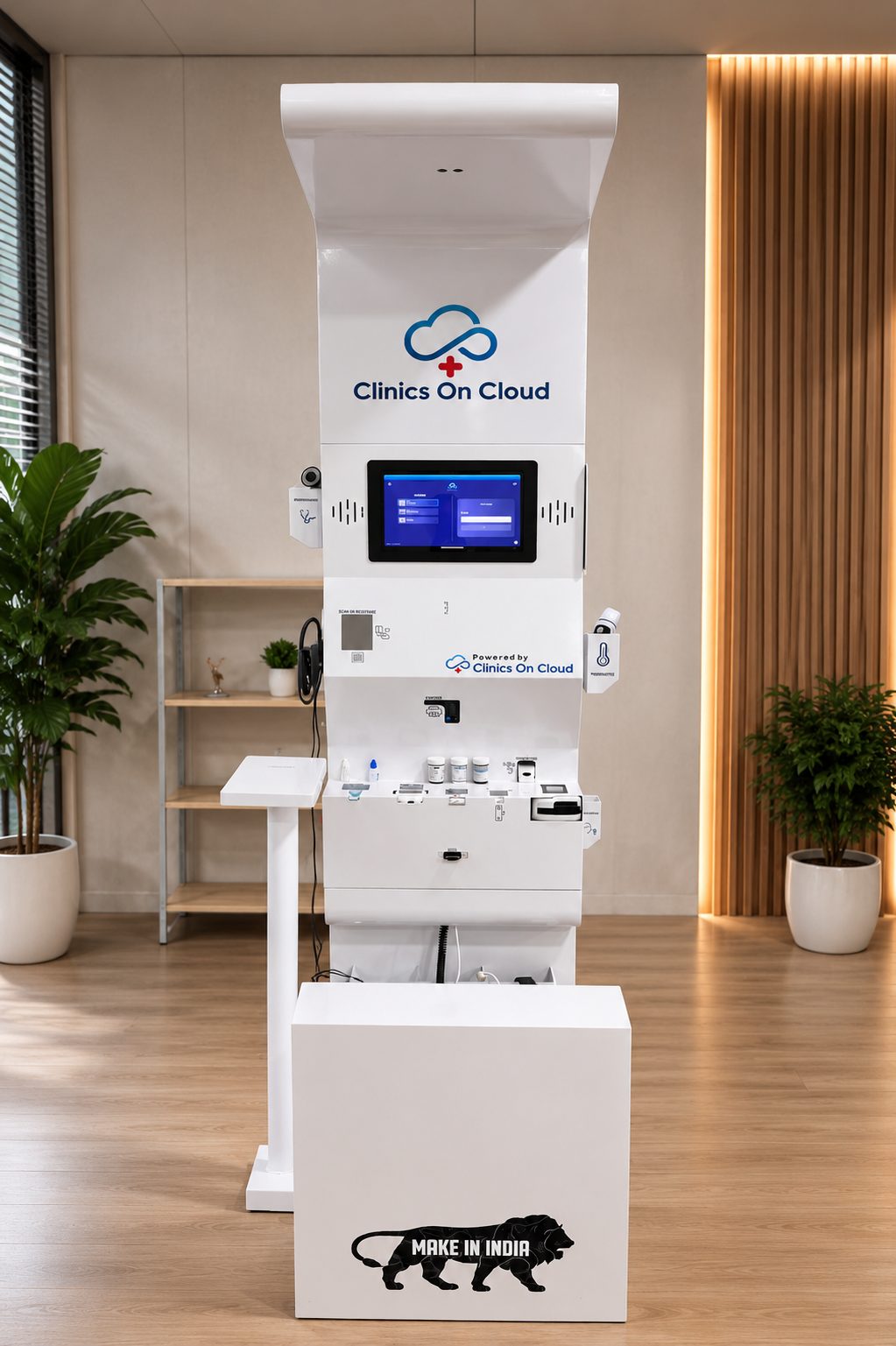
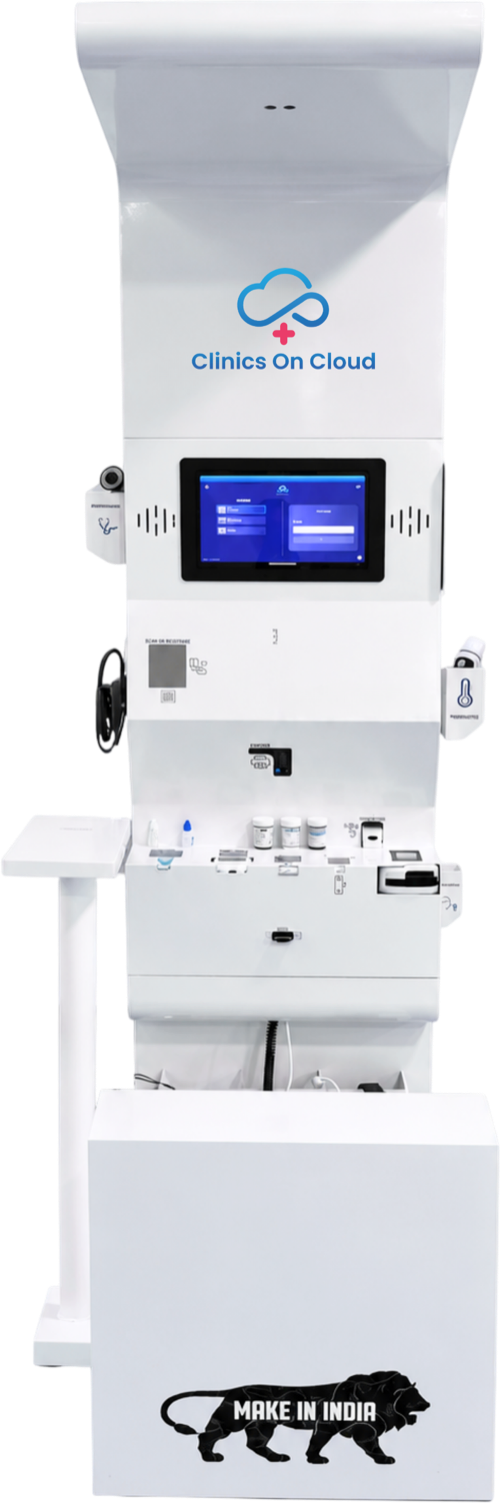
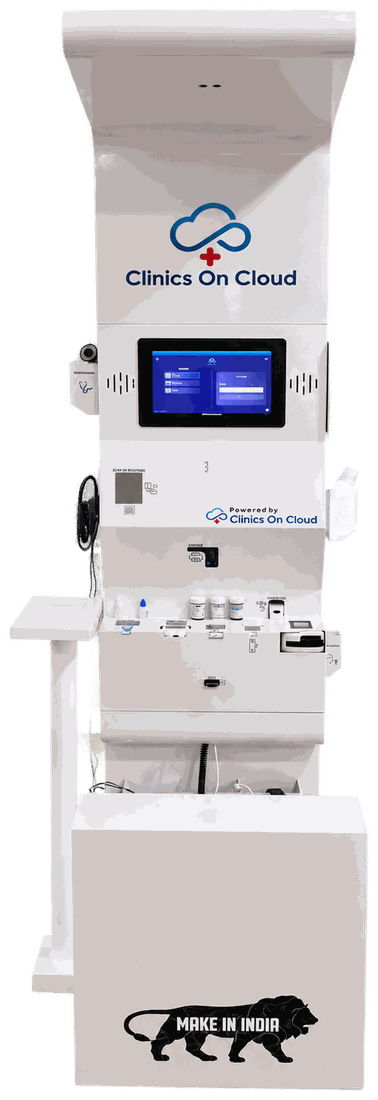
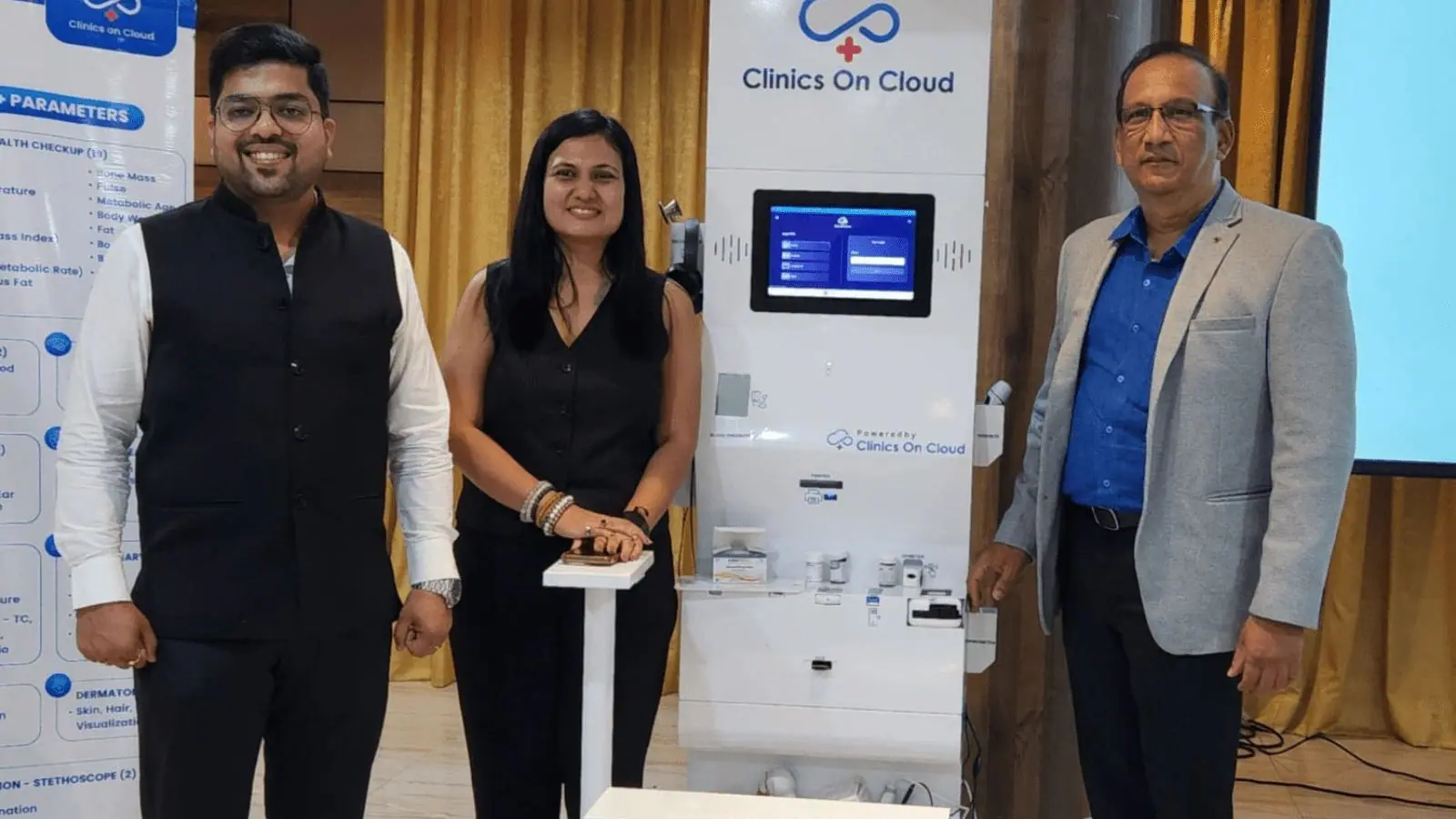
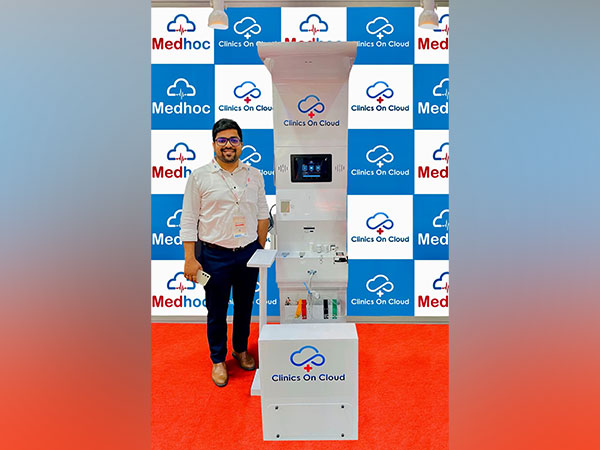
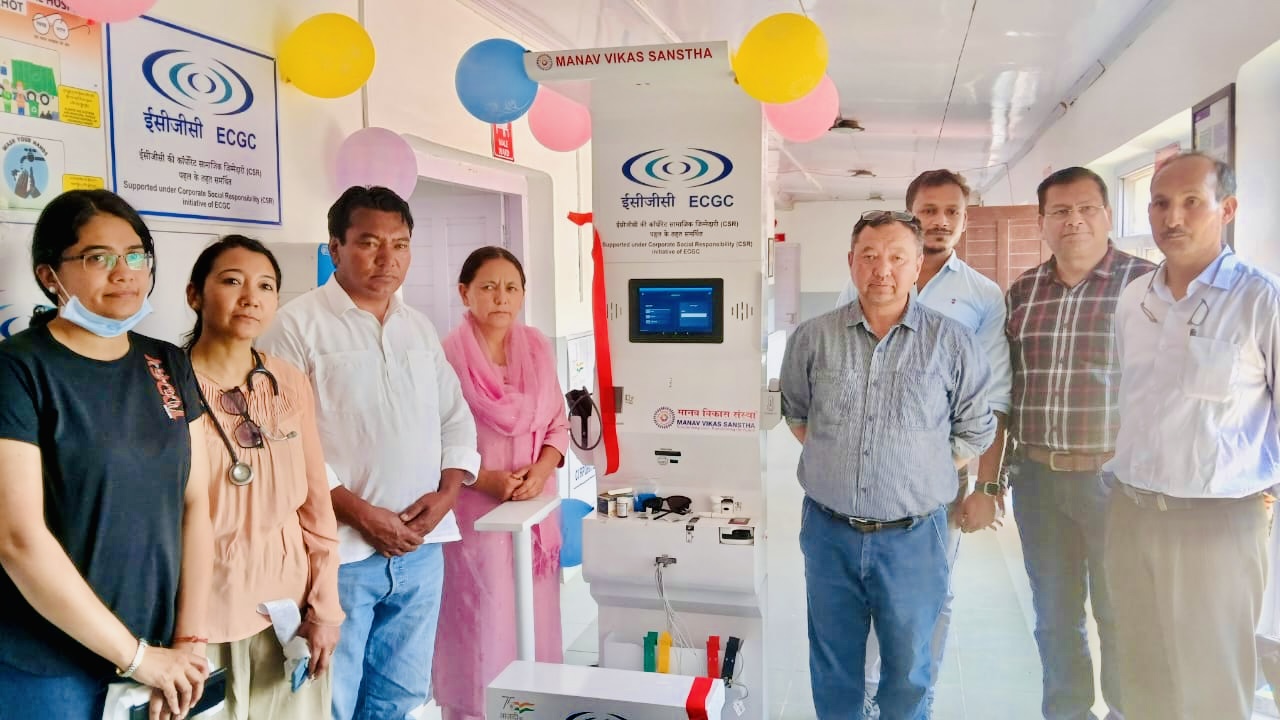
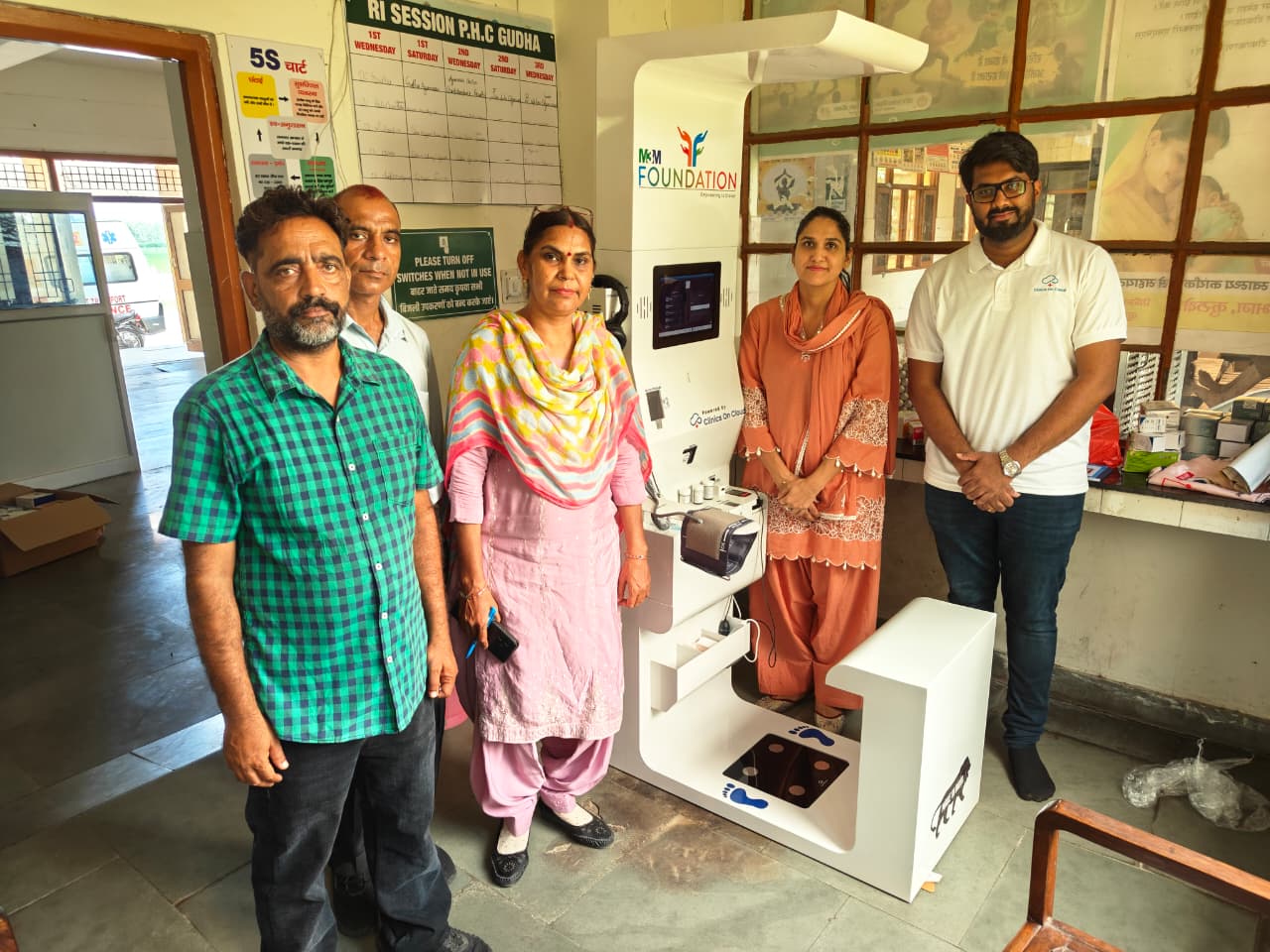
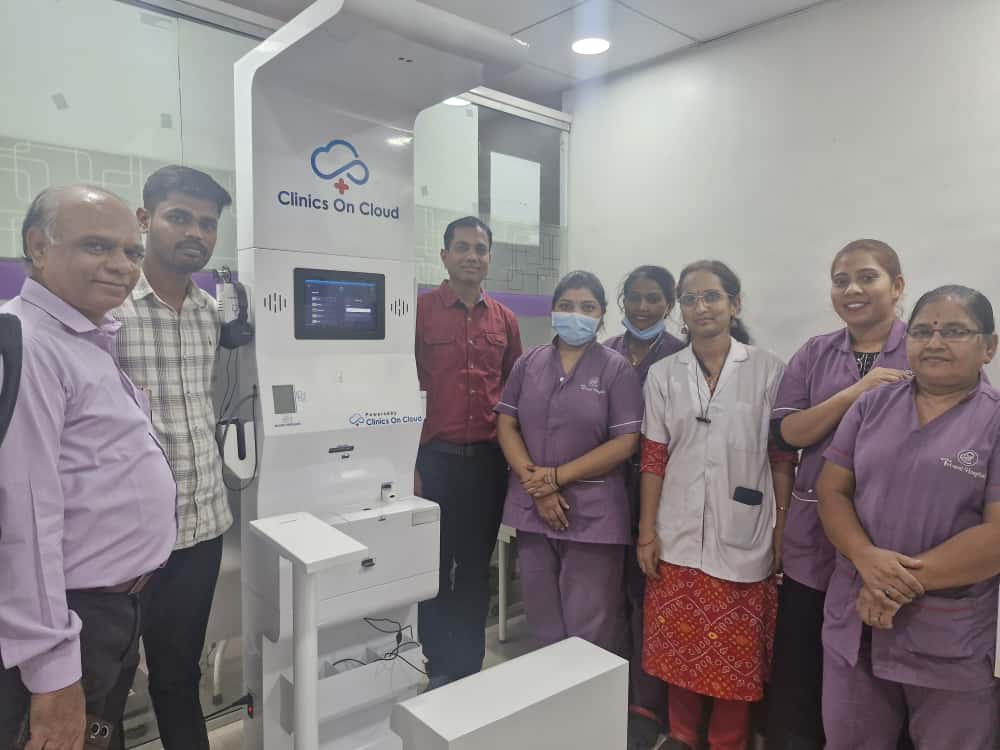
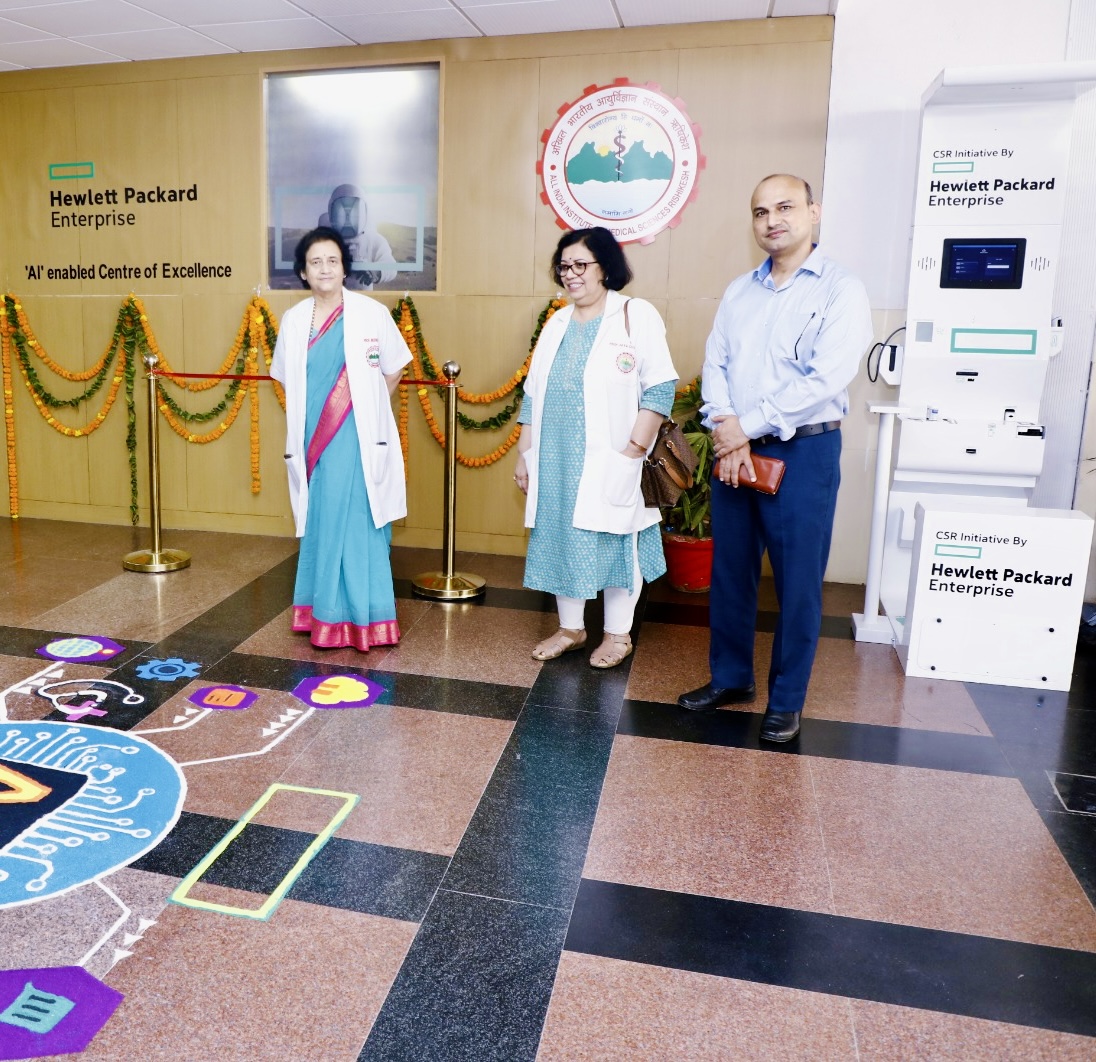
Health ATM
HEALTH ATM · SCREENING STATION
Engineered for 65+ clinical parameters · AI-powered analysis
From vitals to rapid diagnostics - every Clinics On Cloud Health ATM is built for early detection and preventive care, with a standard visit completed in about 10 minutes. Tap any speciality to see the full parameter list.
The Intelligence
Engineered for scale - secure, intelligent, compliance-ready.
From AI-driven diagnostics to specialist-level telemedicine, every component delivers fast, accurate, accessible preventive care.
AI Report Analysis
Converts complex lab values into simple, color-coded health scores with personalised recommendations.
Predictive Analysis
Identifies future risk for diabetes, hypertension & cardiac disease before symptoms appear.
AI Diet Plan
Personalised nutrition & wellness plans based on BMI, sugar, cholesterol & vitals - instantly.
AI Doctor Assistant
Explains reports, highlights risks & recommends next steps in plain language, in real time.
AI Prescription Support
Assists doctors with AI-generated prescription recommendations for faster, safer consultations.
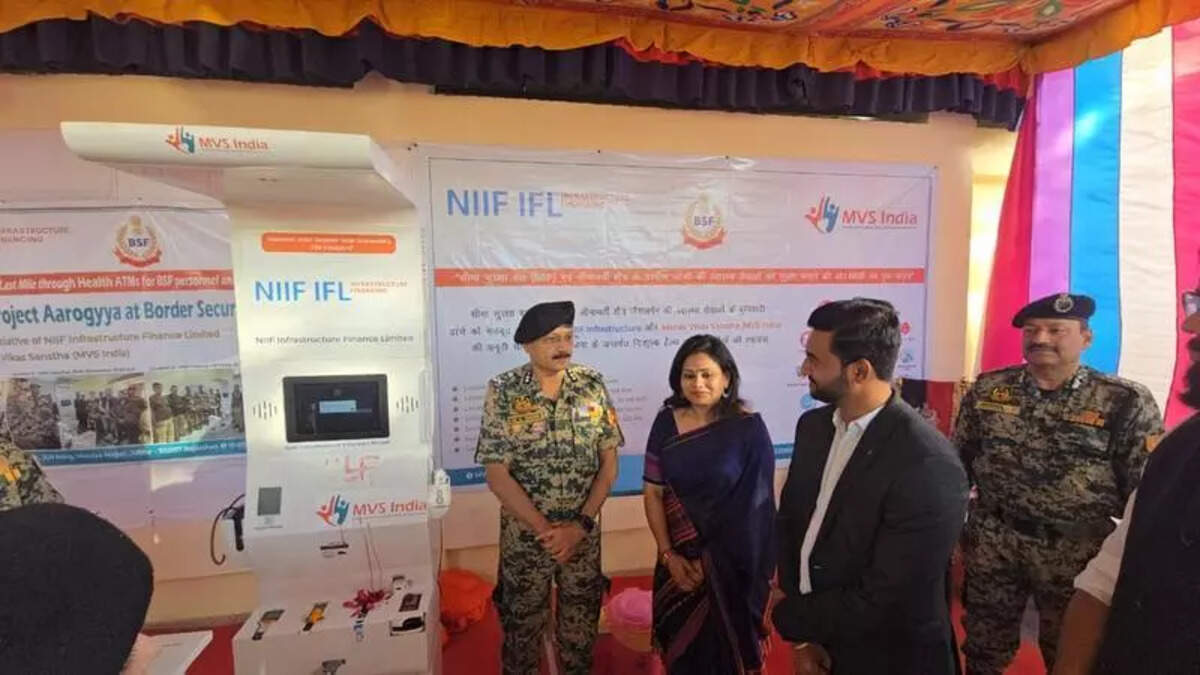
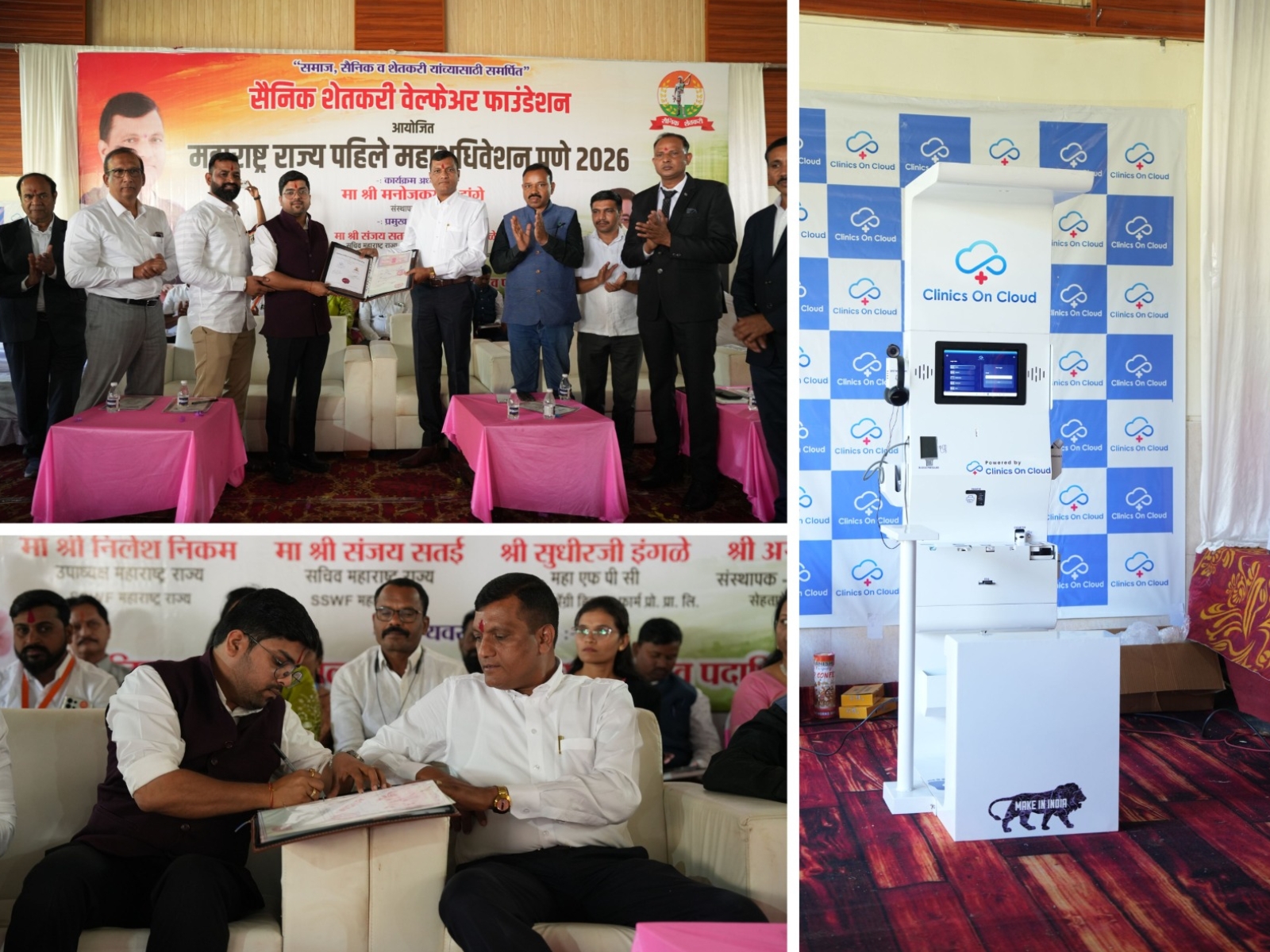
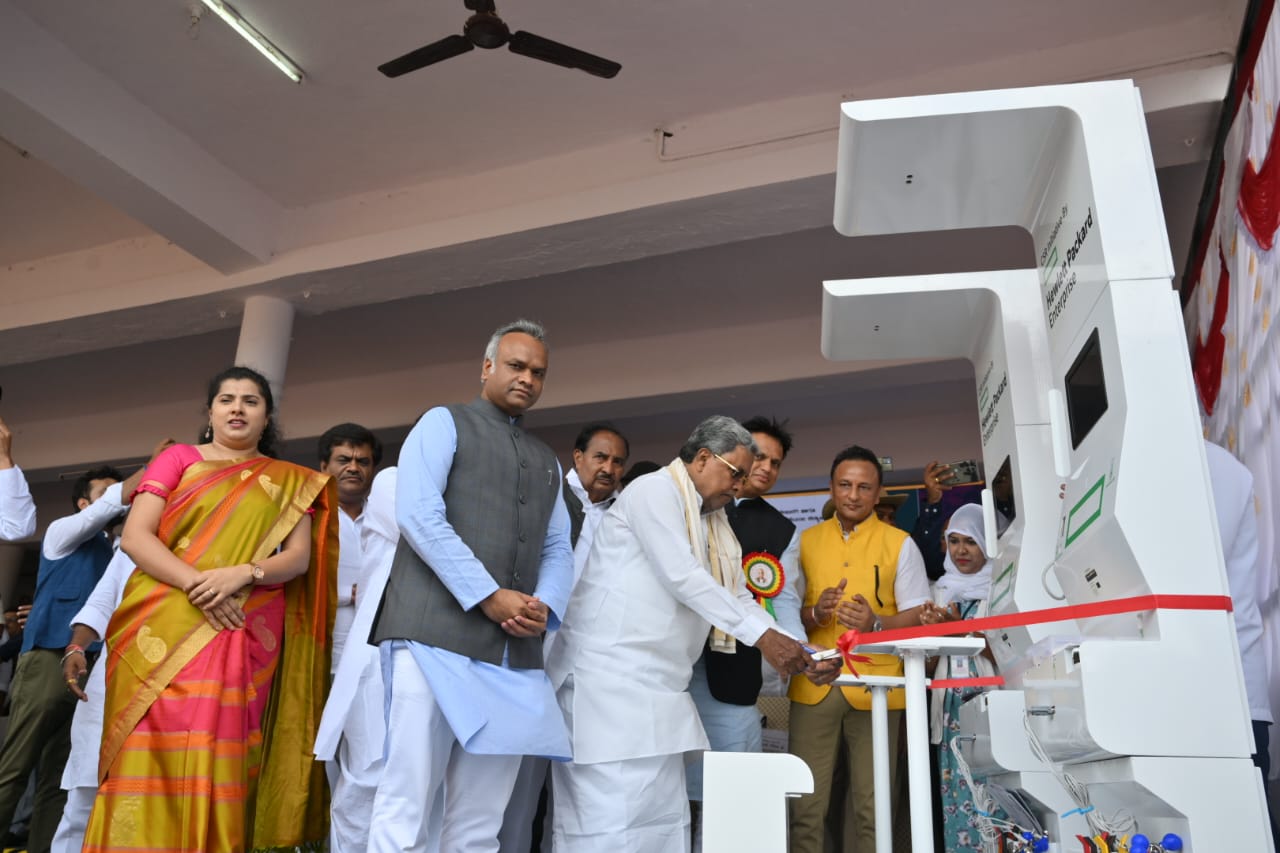
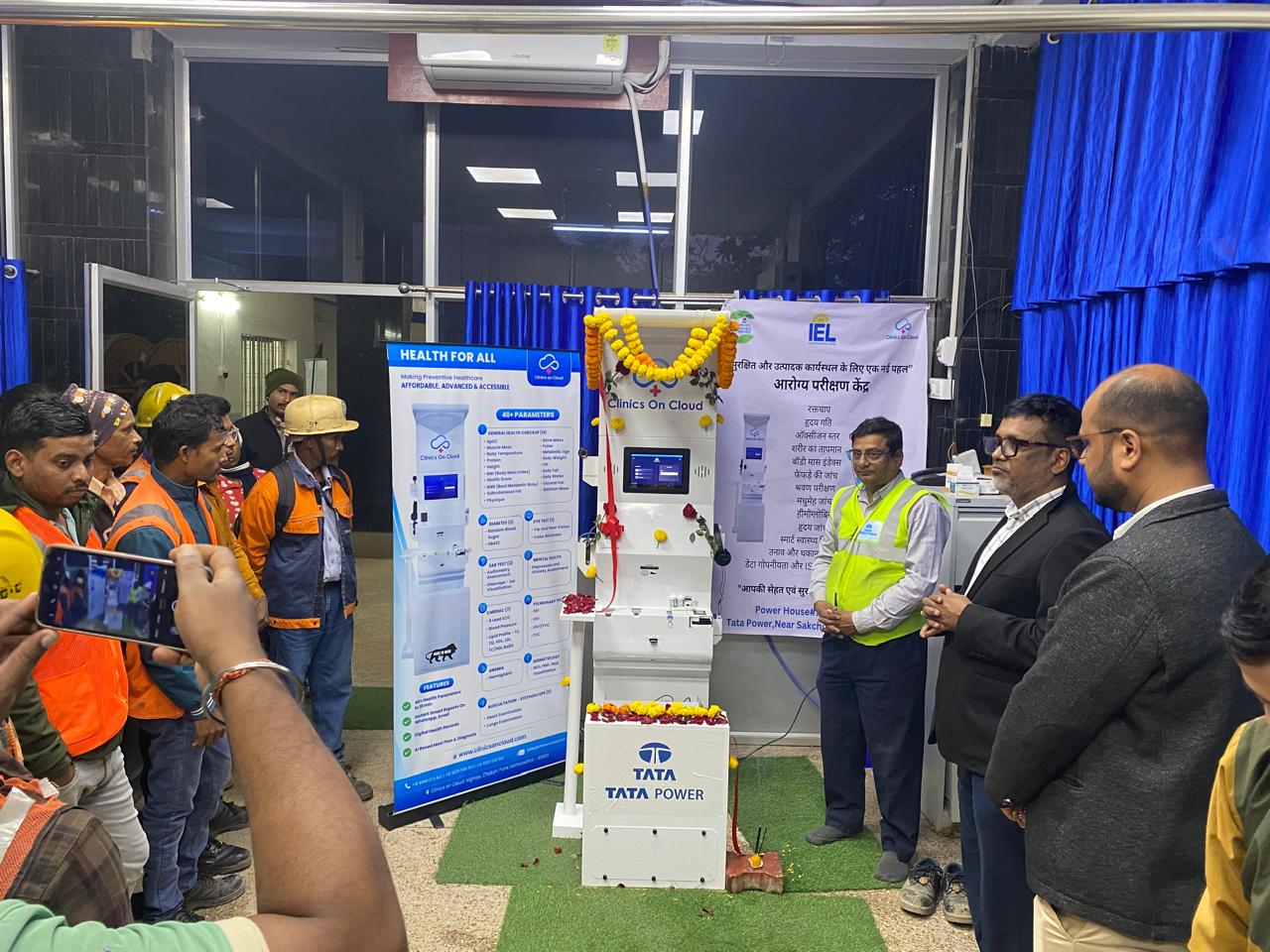
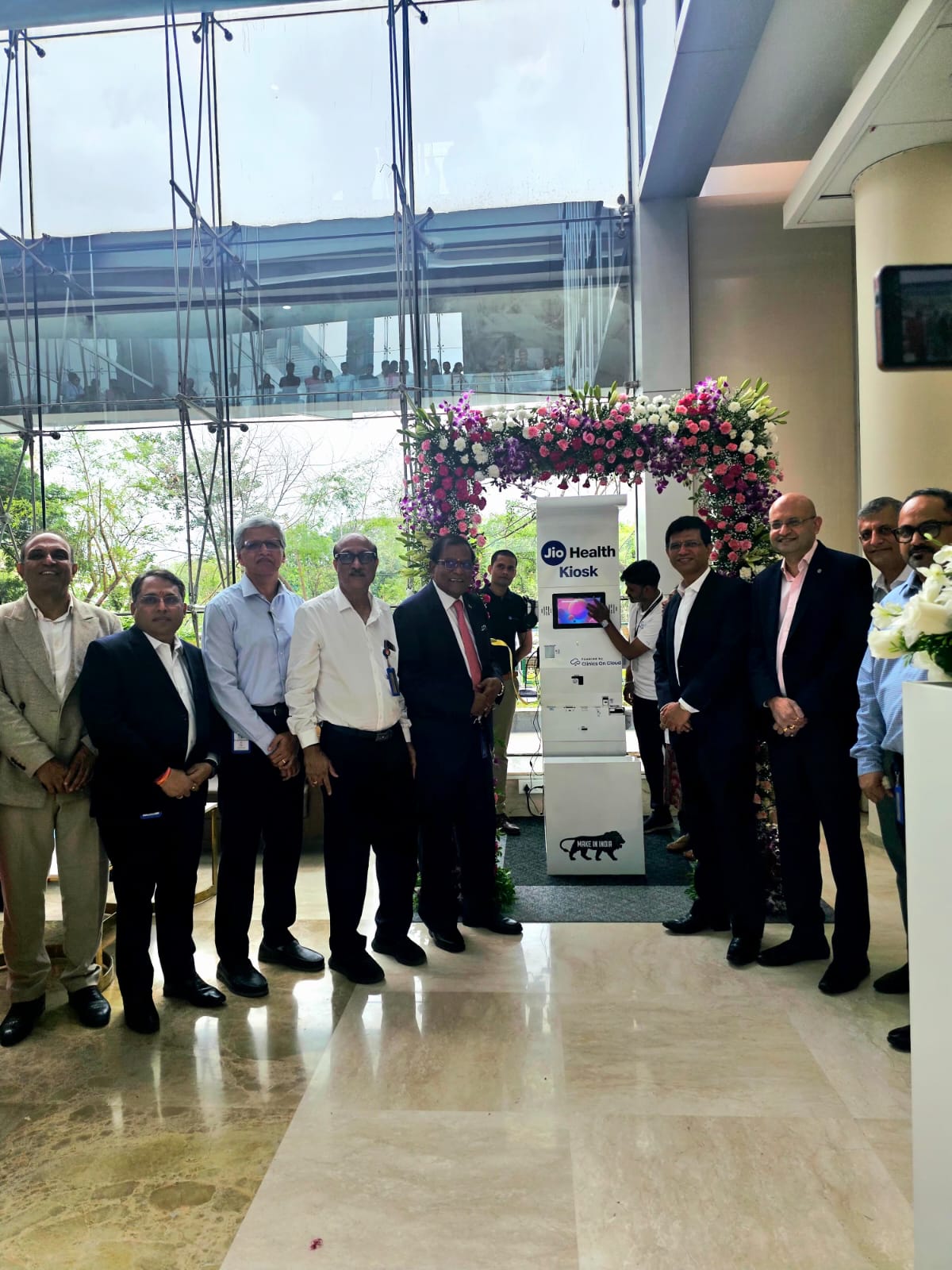
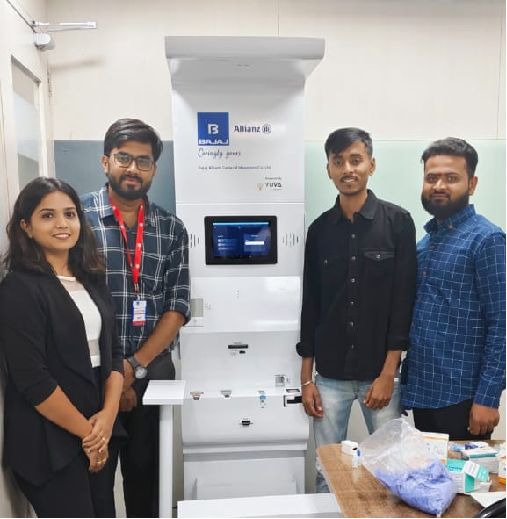
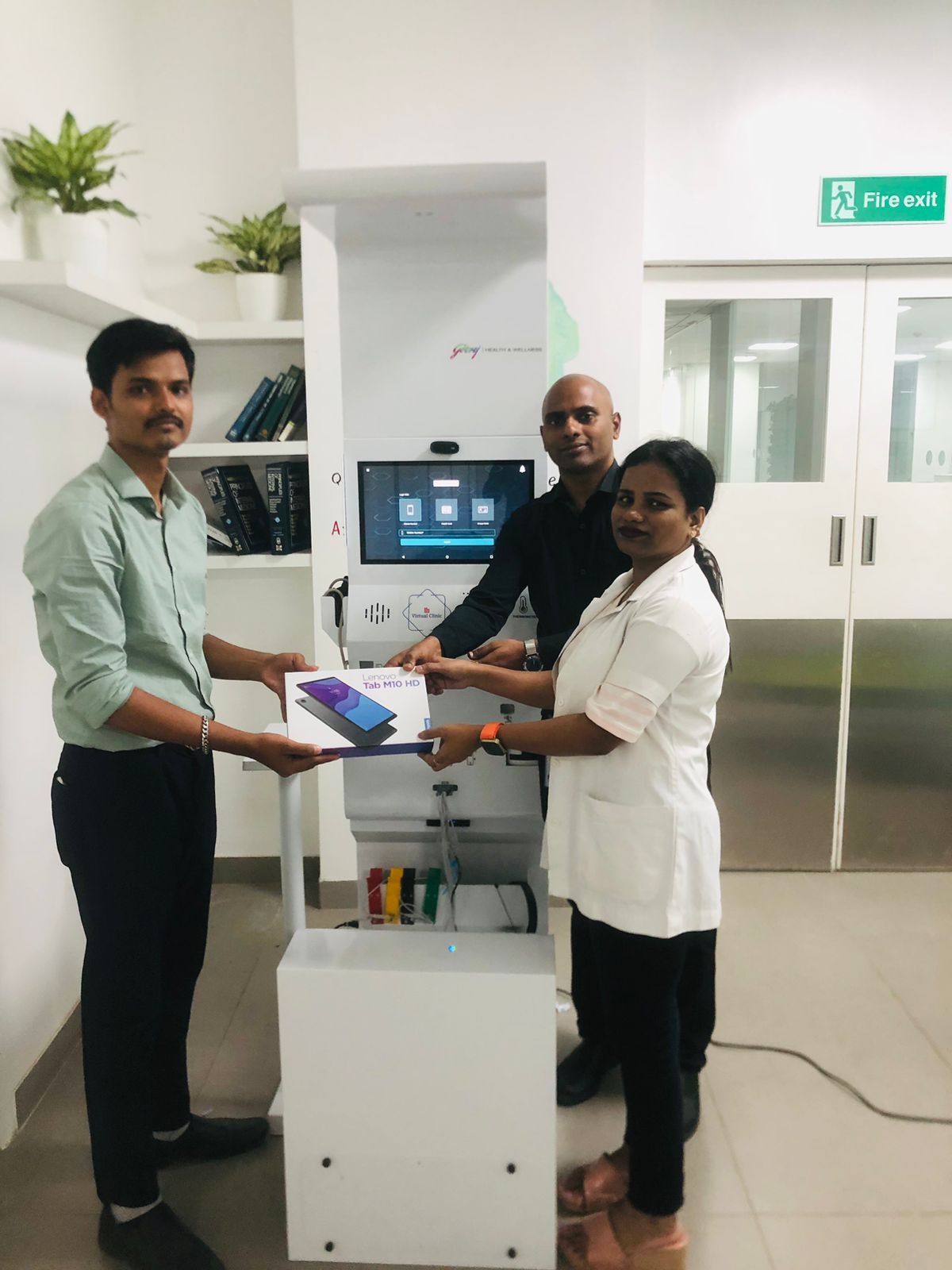
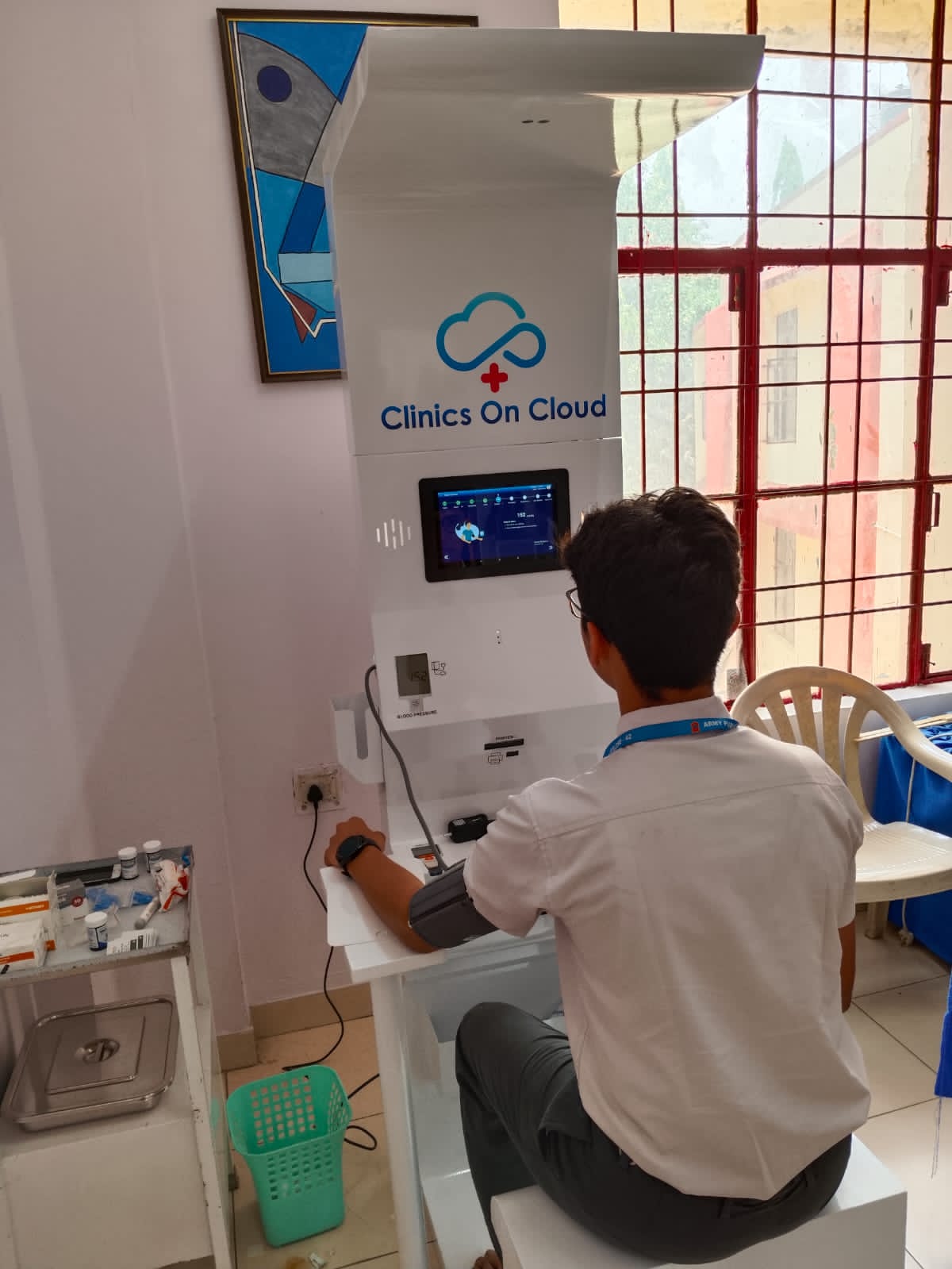
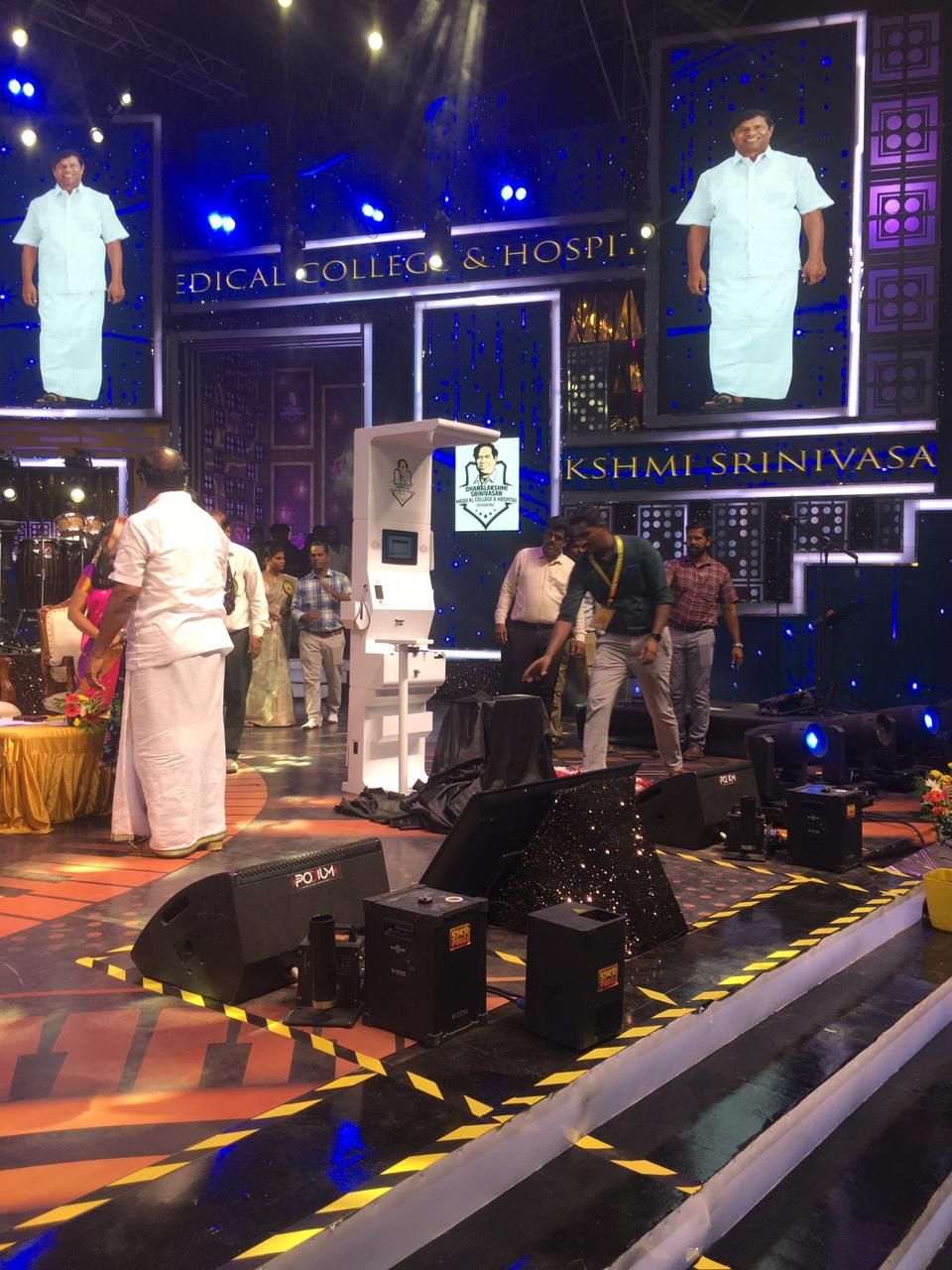
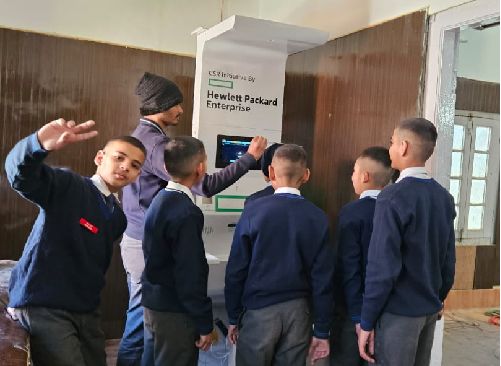
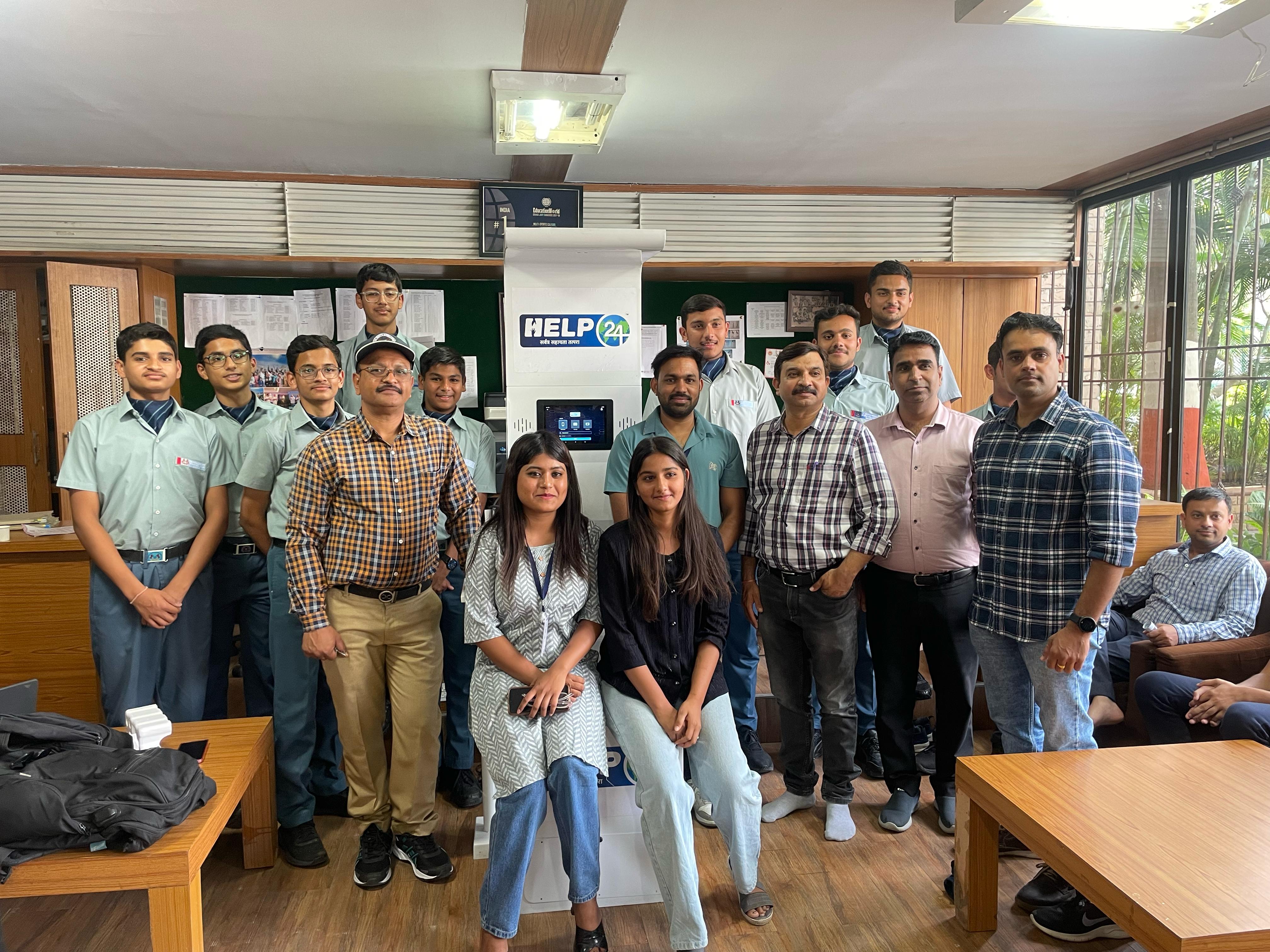
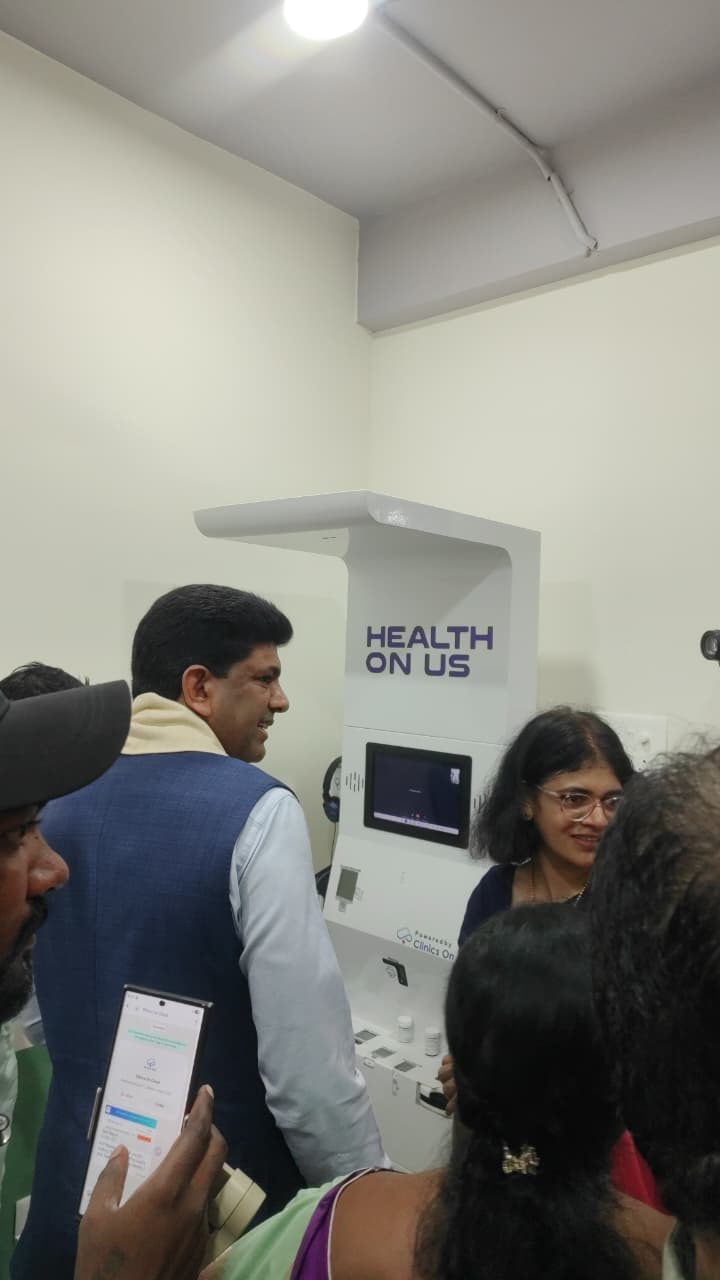
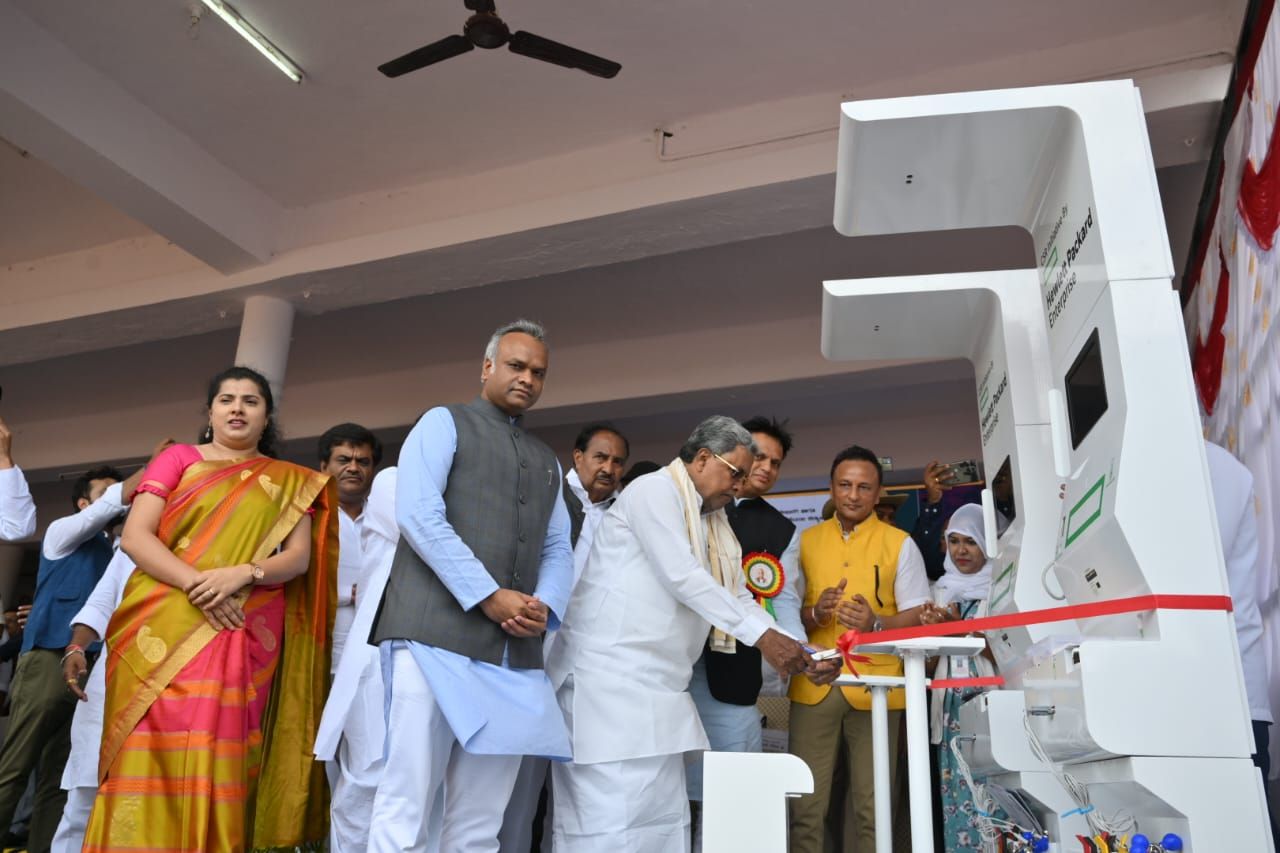
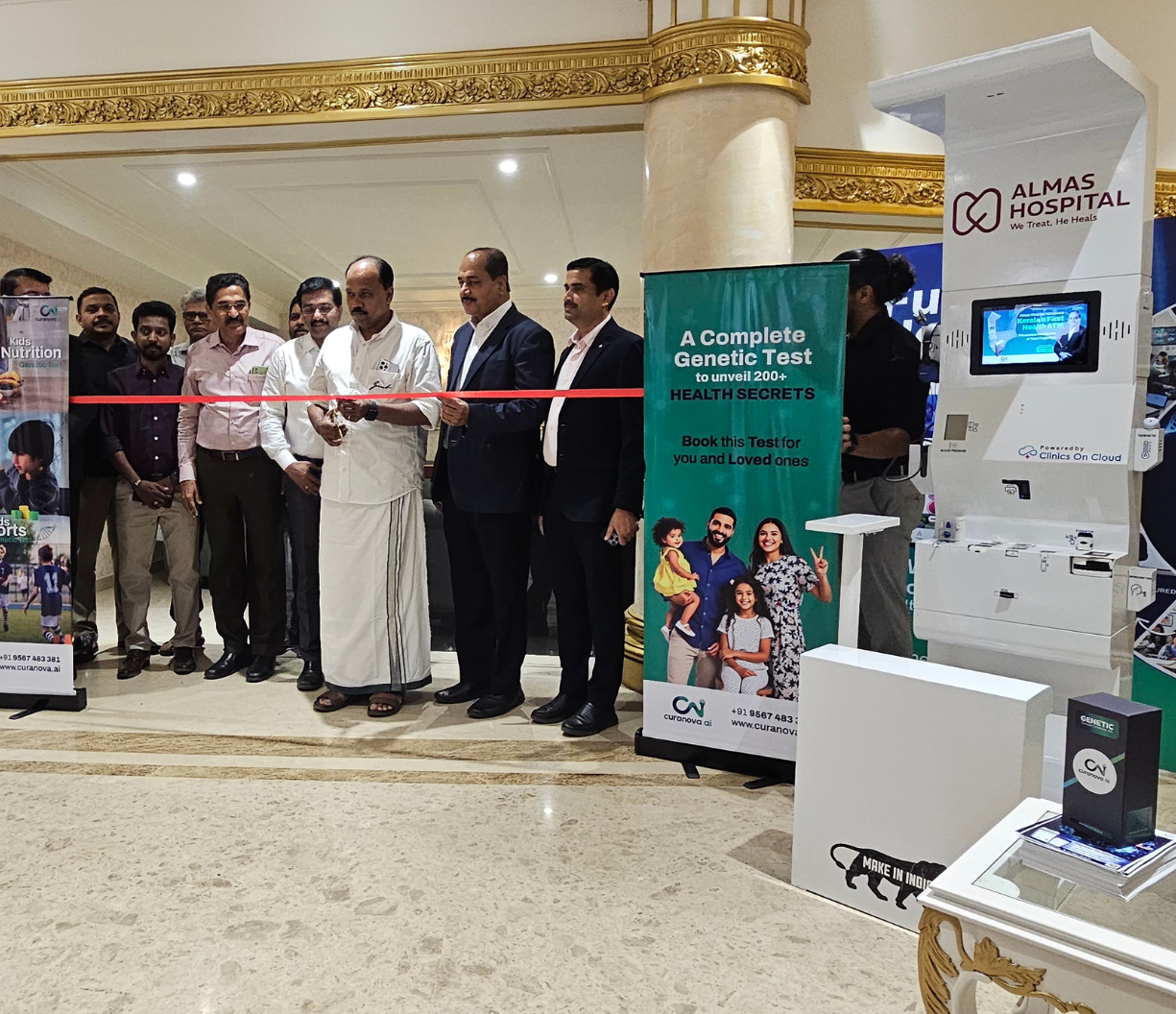
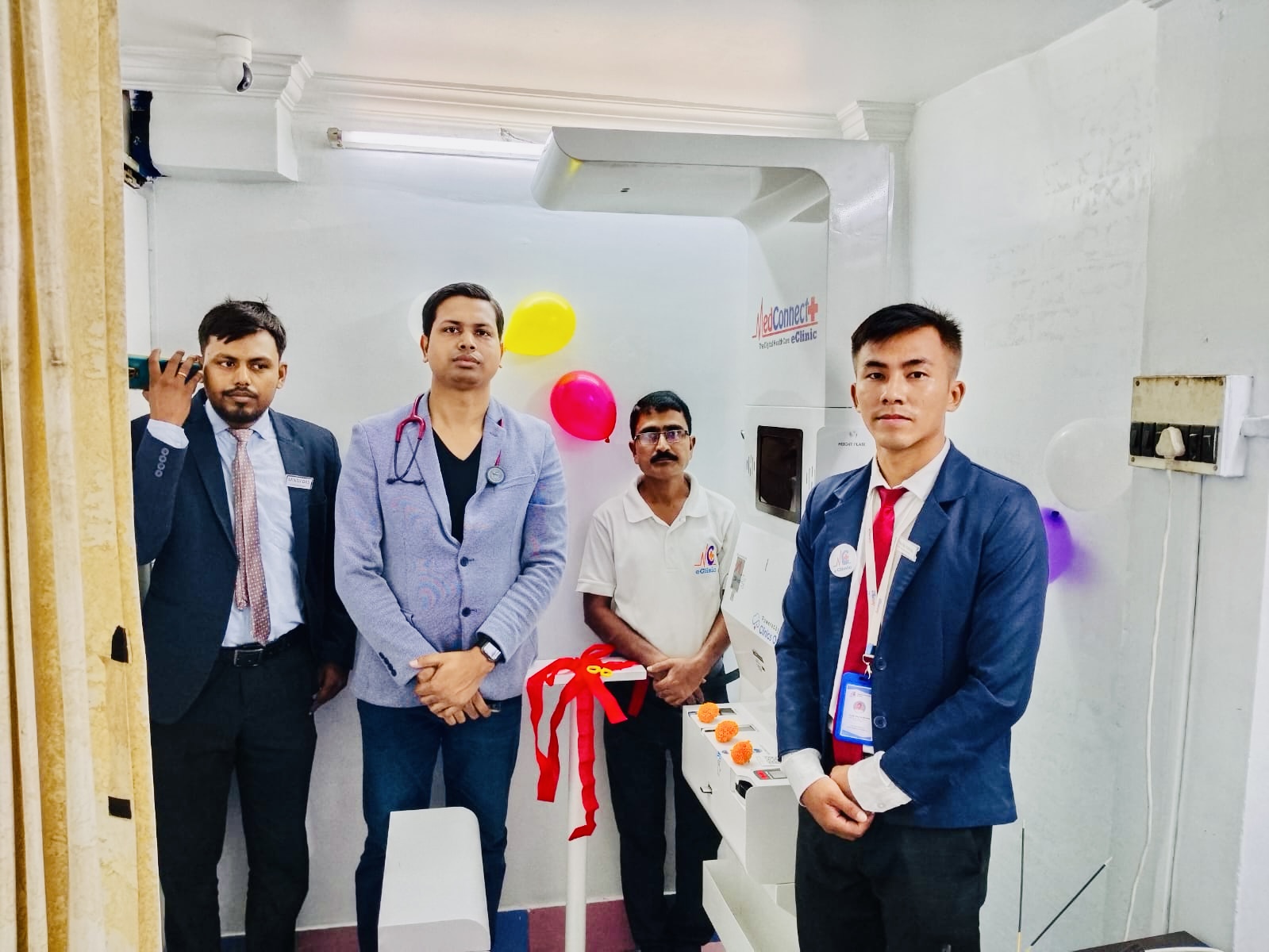
From national dailies to global health press, the world is watching what we're building - AI-first preventive care reaching places traditional healthcare never could. A glimpse of our journey, on the ground and in the headlines.
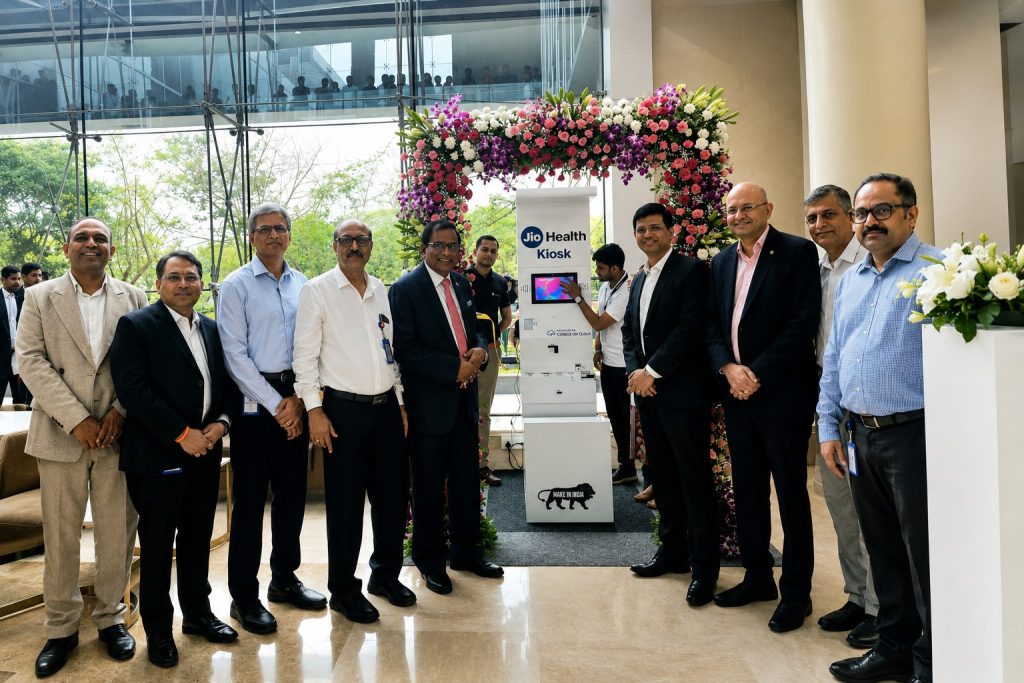
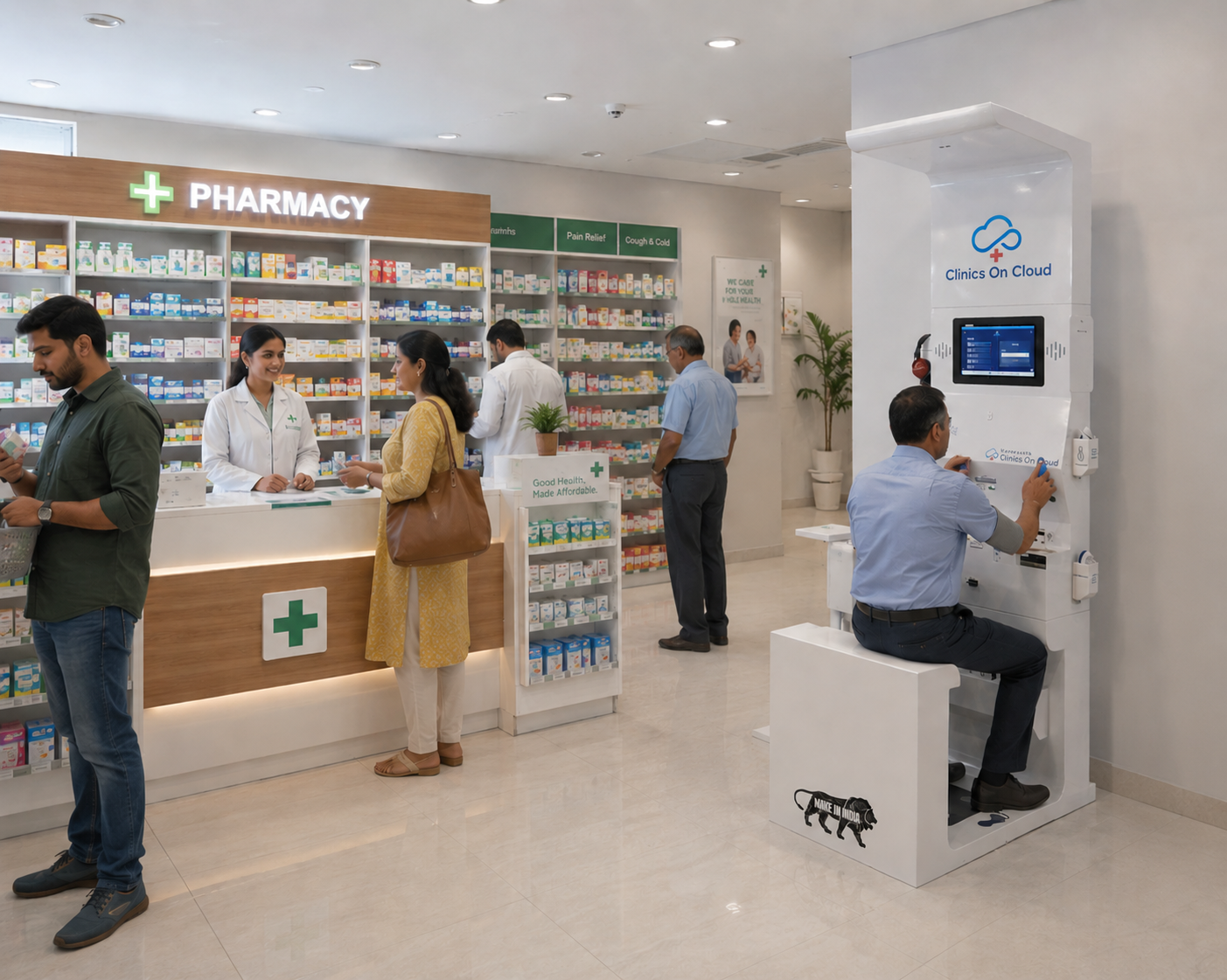
We're thrilled to announce a groundbreaking new installation at Pharmacy by PharmDrive that marks a turning point in how accessible healthcare is delivered.
By integrating Clinics on Cloud Health Kiosks into Pharmacy by PharmDrive locations, we're transforming traditional pharmacies into something far more powerful: intelligent healthcare microclinics.
This isn't just about adding a machine to a pharmacy. It's about fundamentally reimagining what a healthcare access point looks like.
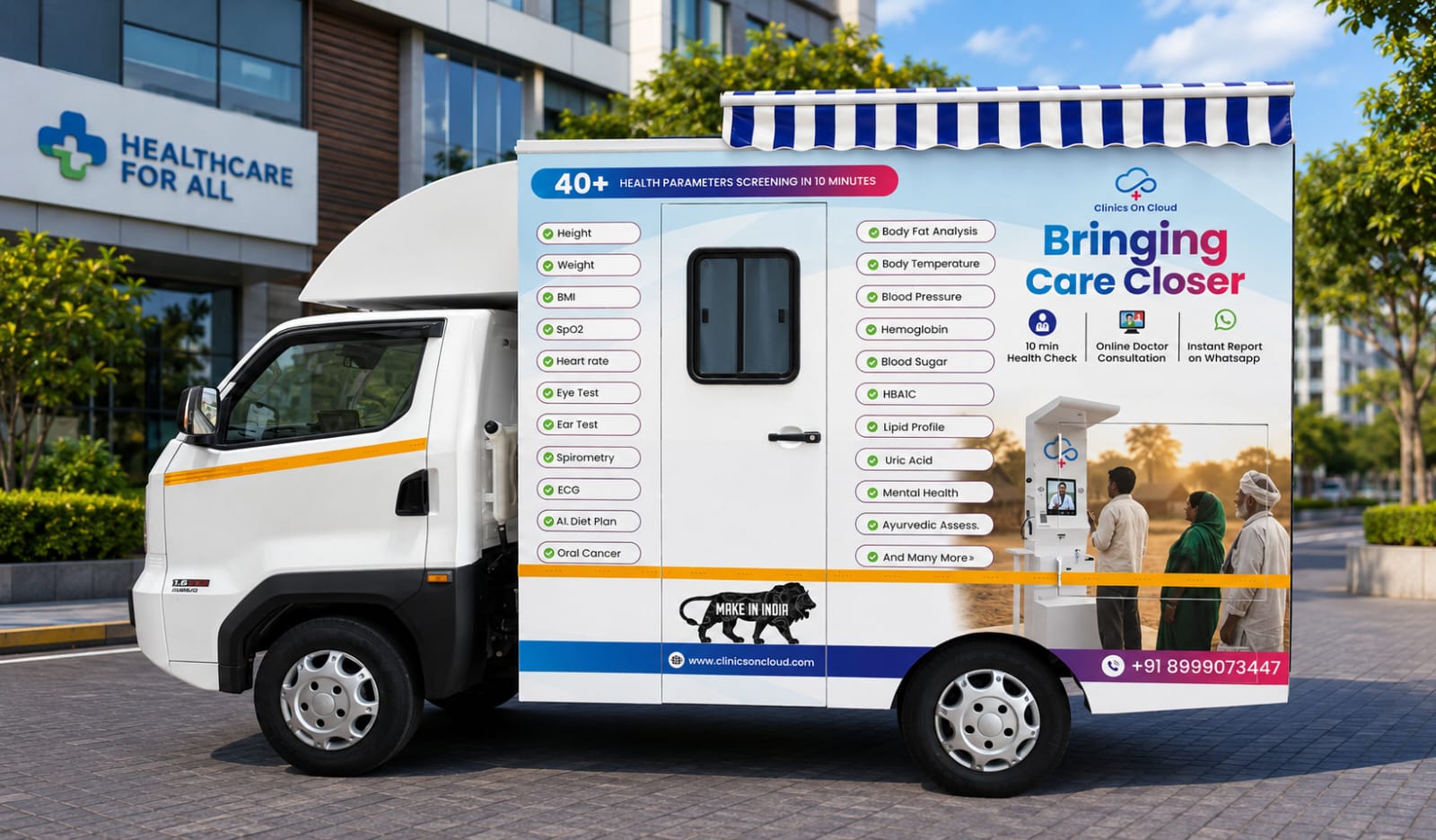
65% of India lives beyond easy reach of a clinic. The case for putting diagnostics, teleconsults and screening into vehicles that go to the patient - not the other way around.
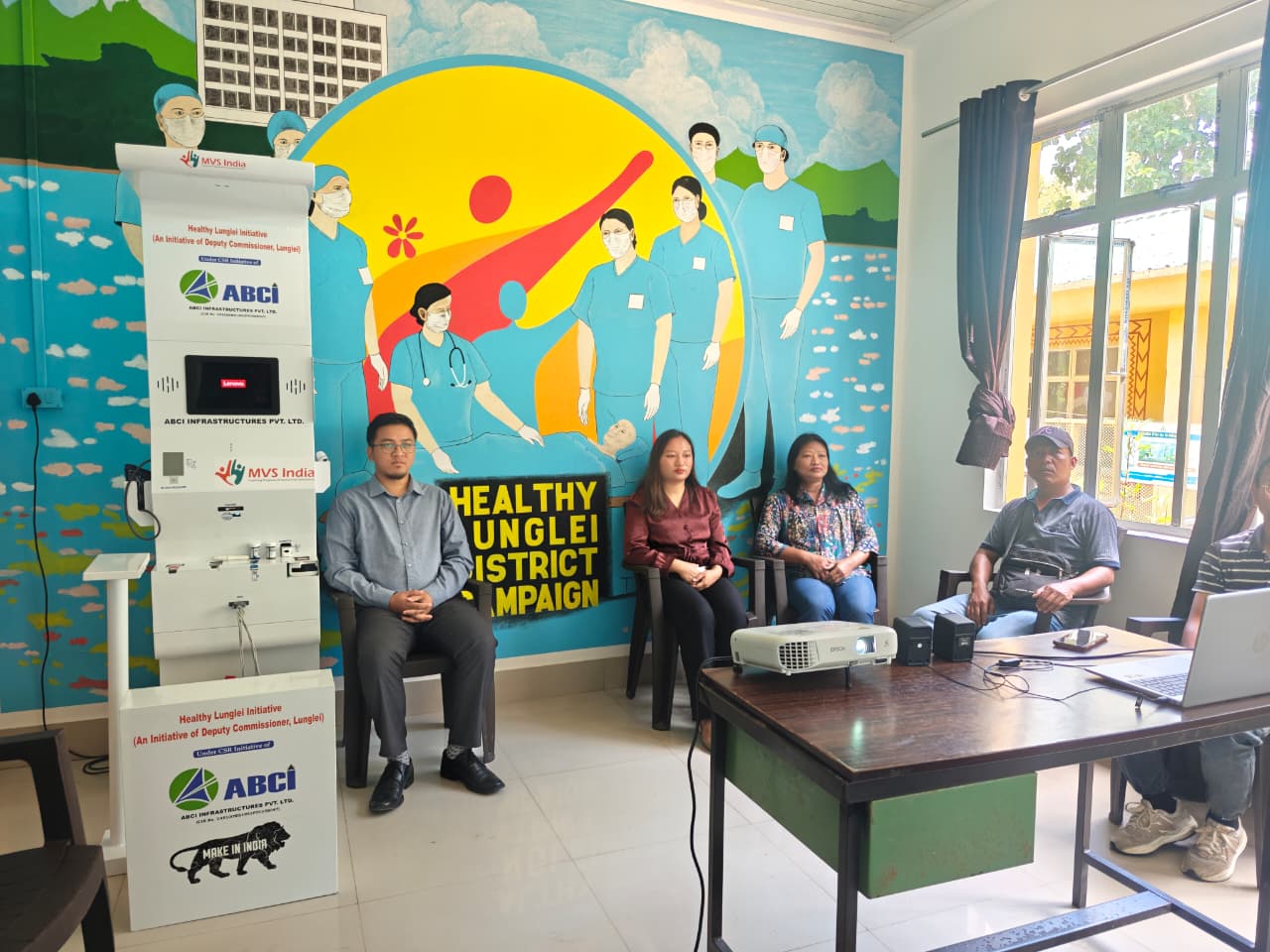
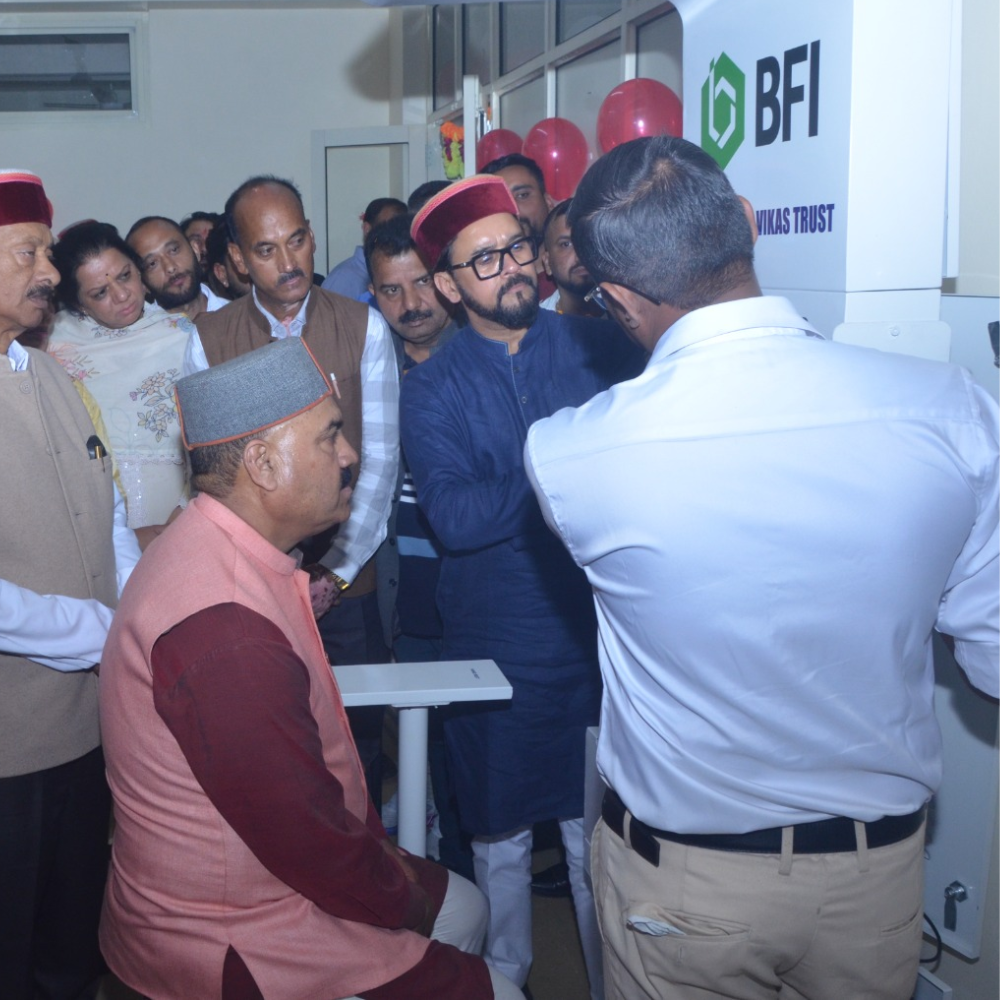
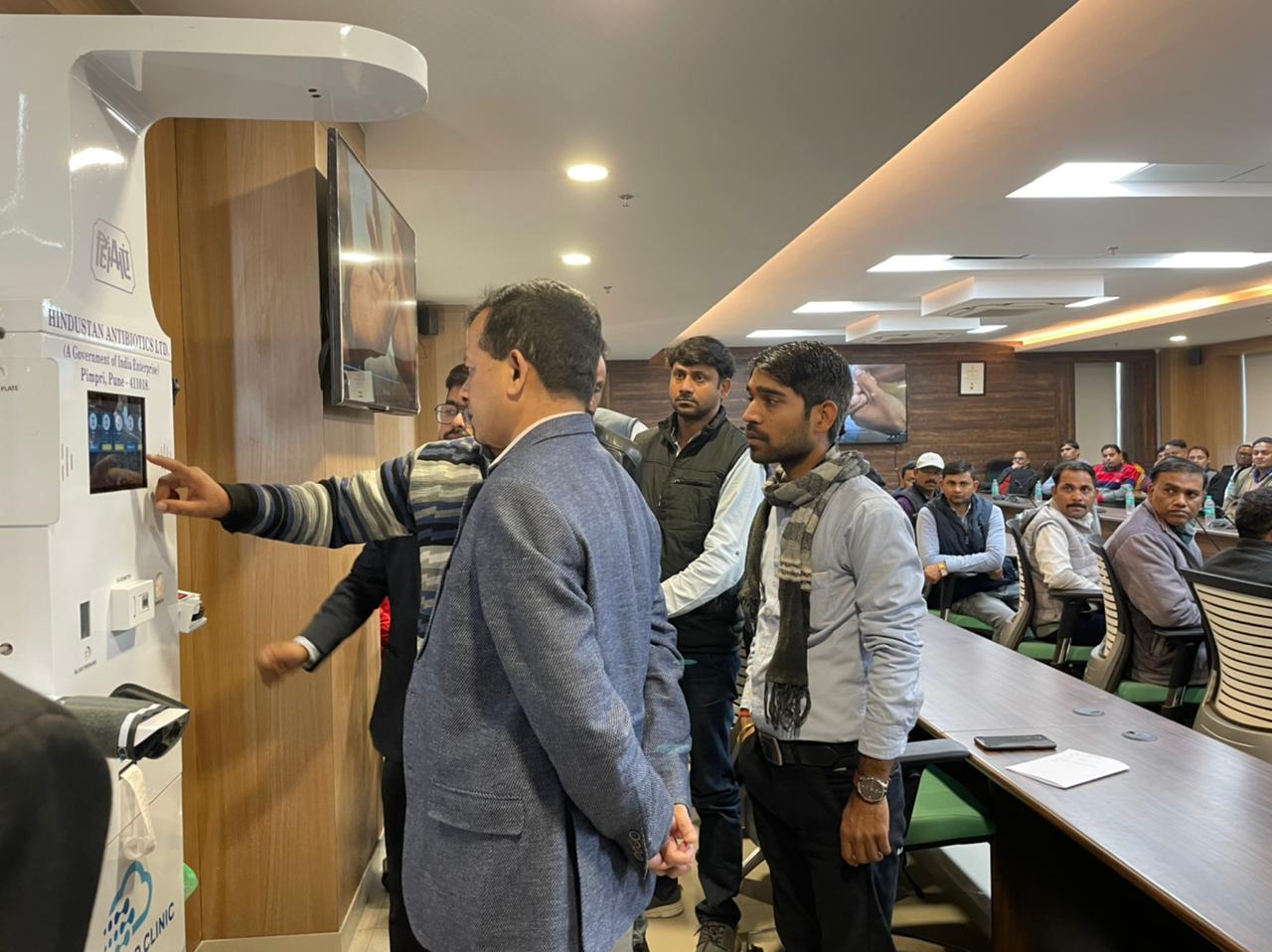
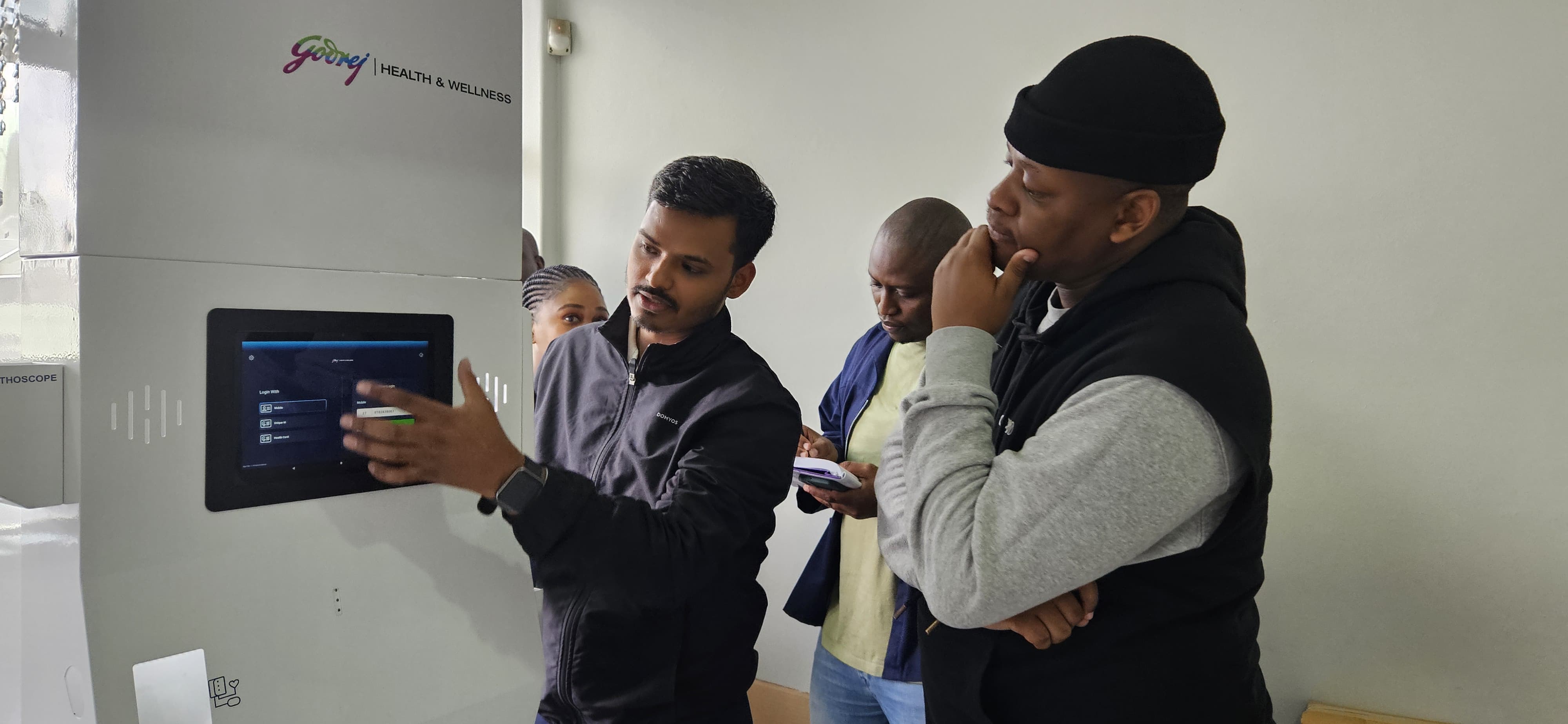
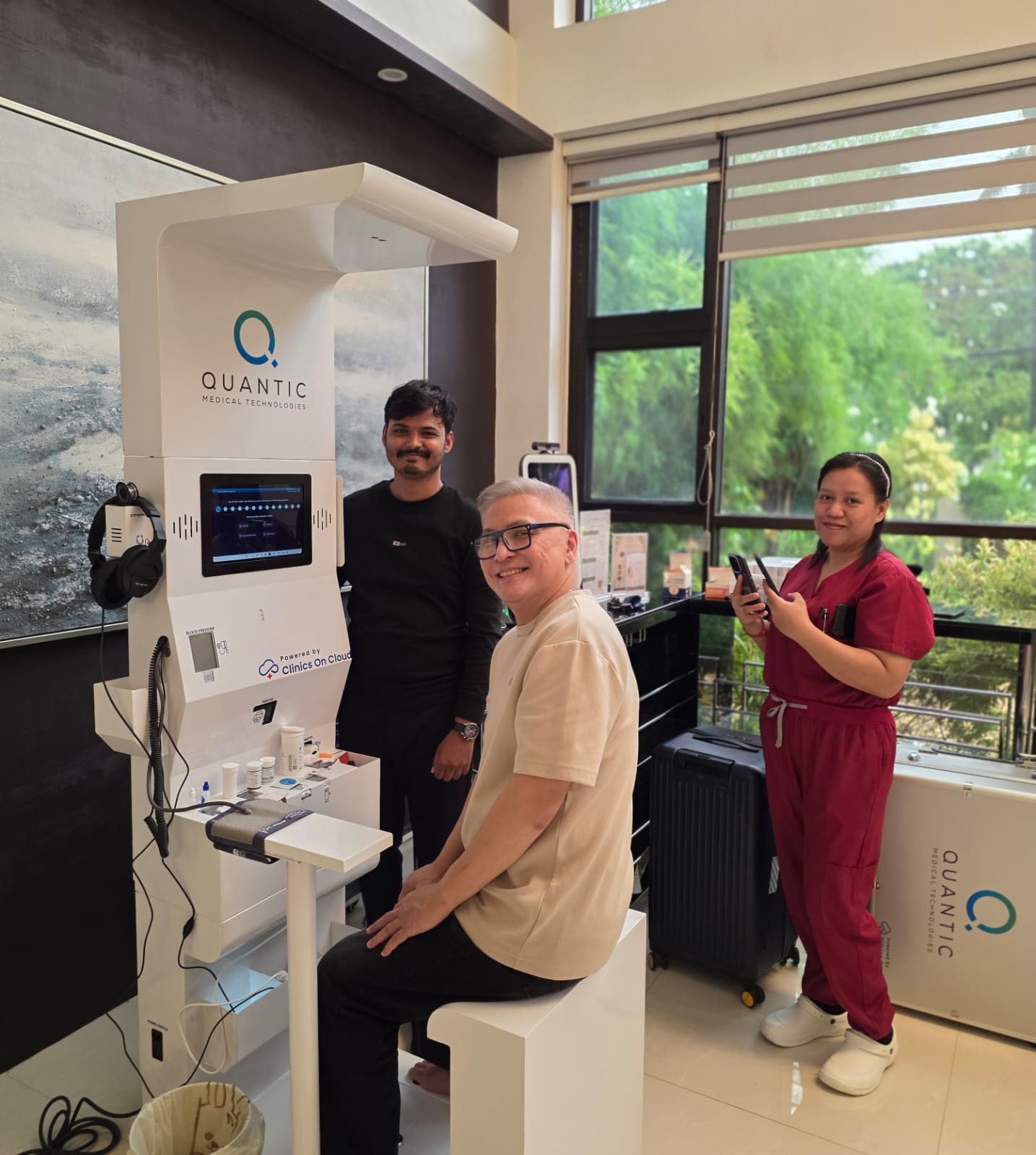
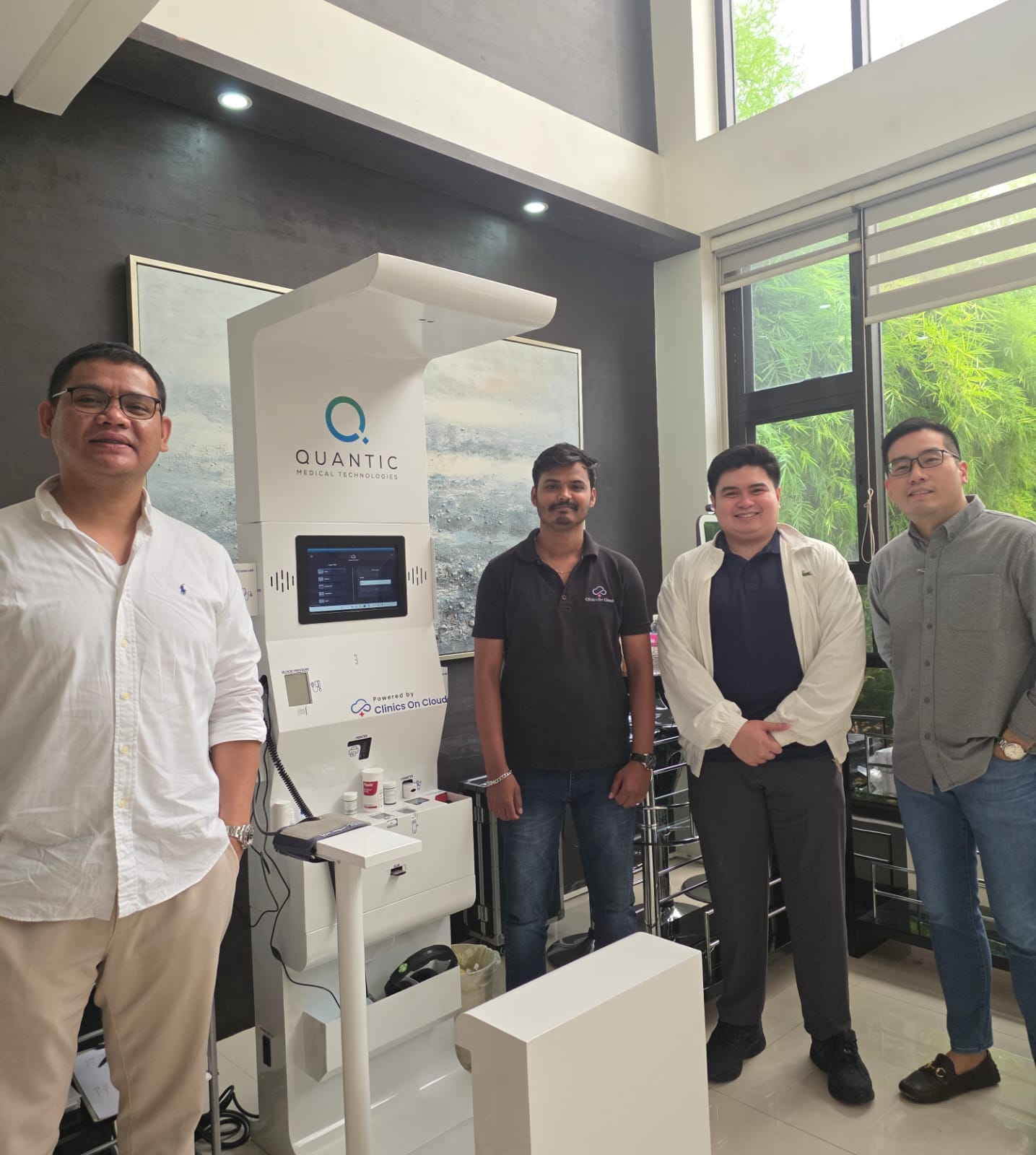
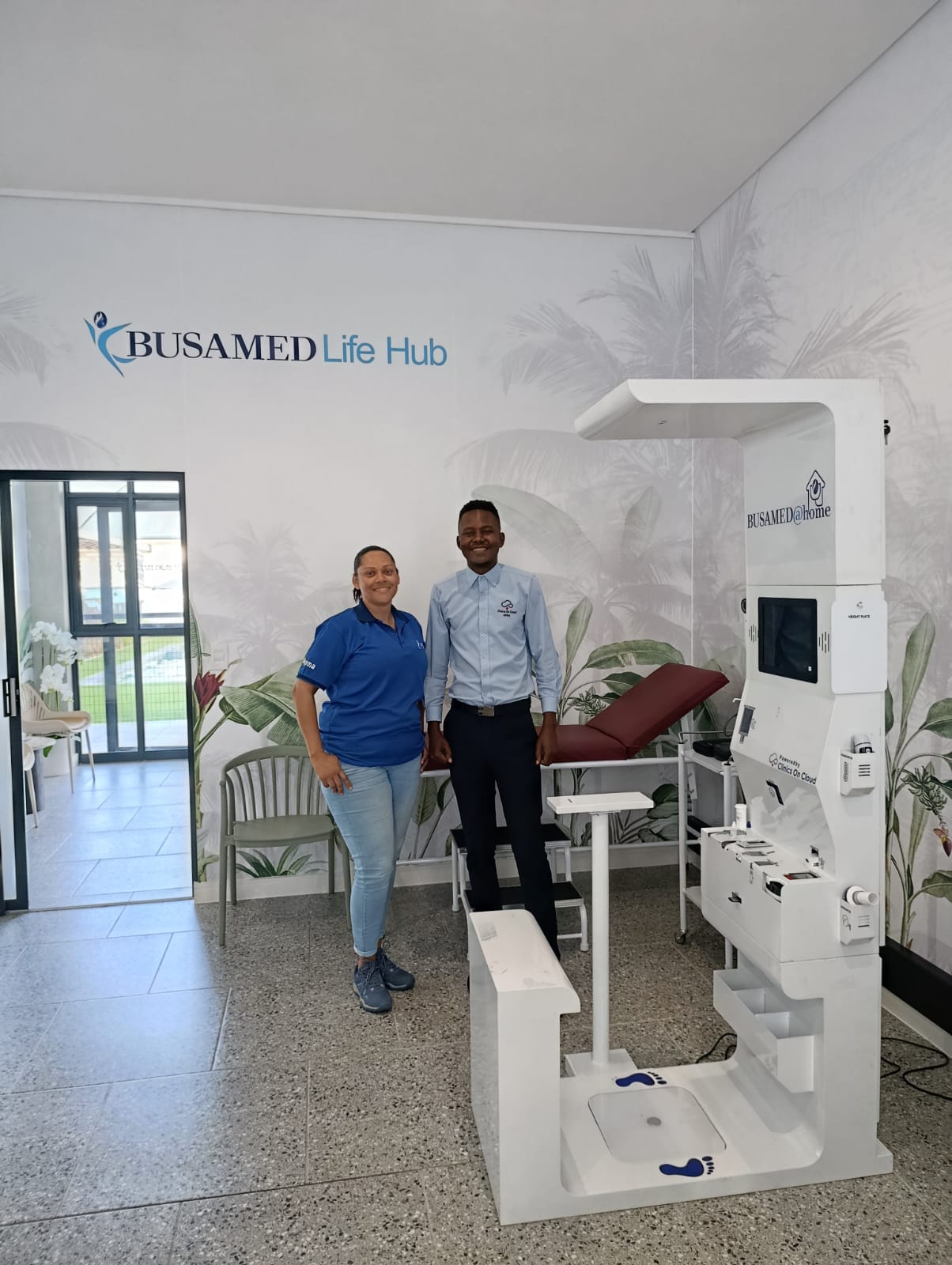
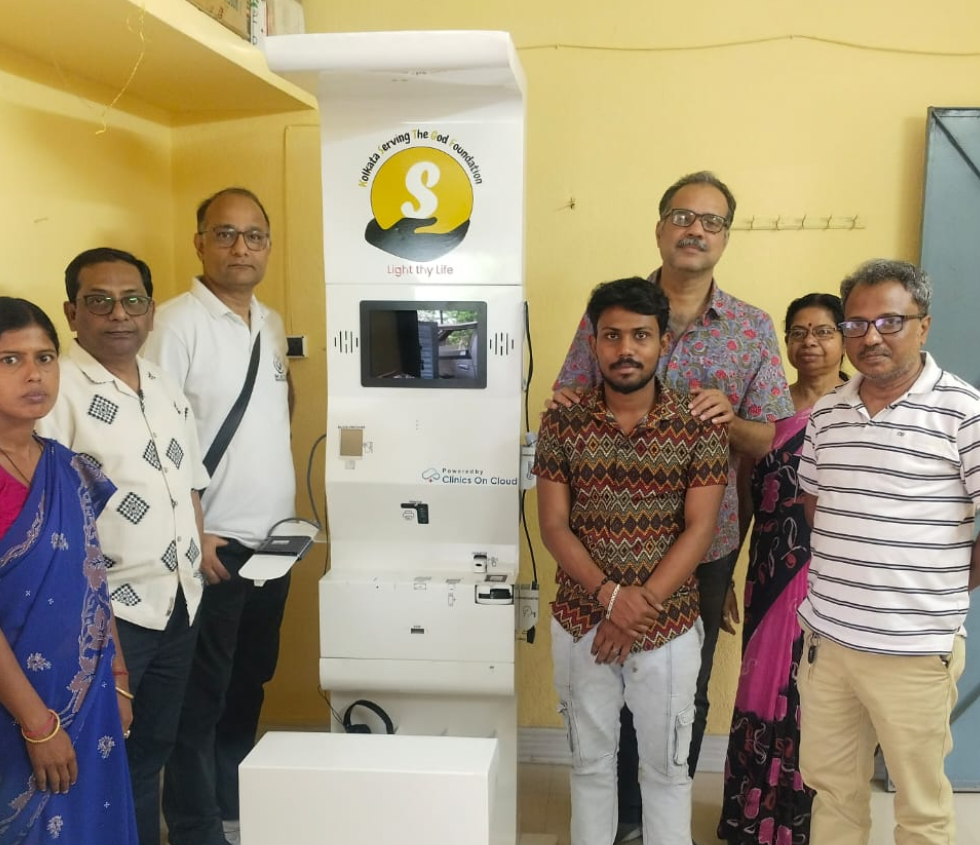
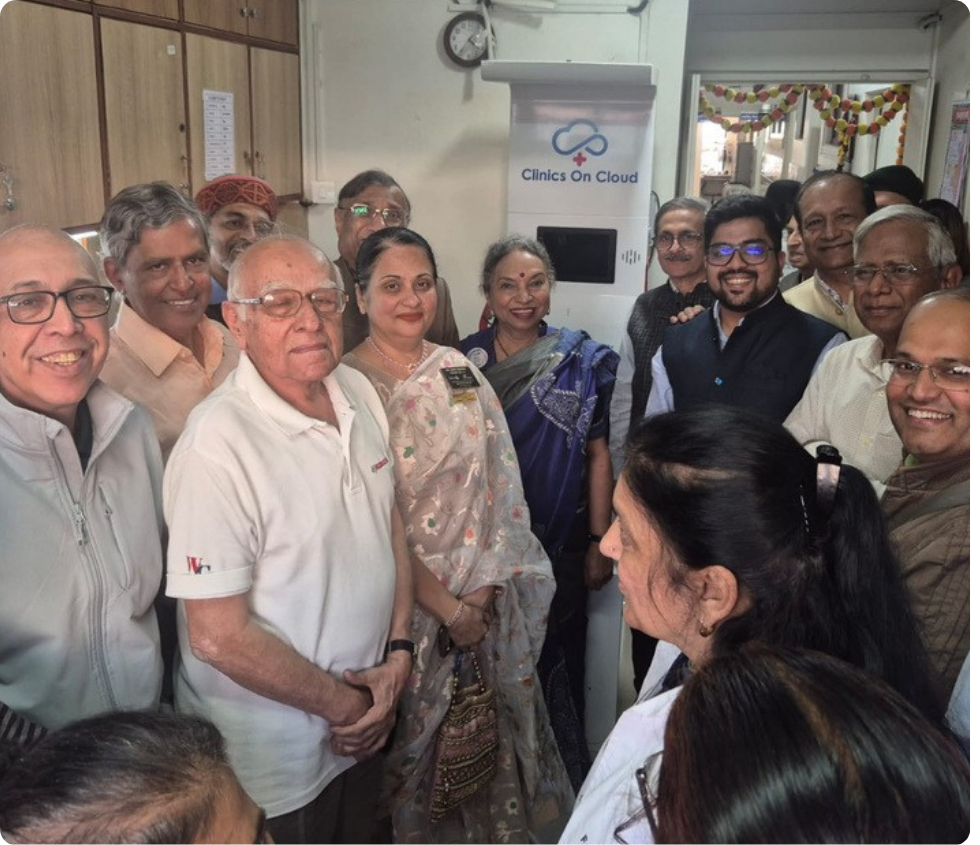
We're present in 8+ countries - turning every corner into a point of care.
🇮🇳
India3,500+ installs · 200+ cities
🇦🇪
Middle East · UAECorporate & community
🌍
AfricaSouth Africa · Zimbabwe · Madagascar · Nigeria · Kenya · Ivory Coast
🇵🇭
South-East AsiaPhilippines & expanding
FAQ
Frequently Asked Questions
Everything you need to know before bringing Clinics On Cloud solutions to your organization or community.
Clinics On Cloud is a healthcare technology company building intelligent, connected points of care that bring
preventive health screening, digital health records, telemedicine and technology-enabled healthcare closer to
people. Its solutions are designed to help healthcare providers, governments, corporates, CSR organisations and
communities create distributed healthcare access beyond conventional hospitals and clinics.
A Health ATM is a phygital point of care that combines a physical healthcare access point with connected
medical devices, software, digital health records, AI-assisted insights and telemedicine. It creates a local, trusted
physical presence while using technology to connect screening, data and doctors. Depending on the
configuration, users can undergo multiple preventive health screenings, receive digital reports and connect with
doctors from one location
Get In Touch
Healthcare is a right. Not a privilege.
We started Clinics on Cloud with a simple belief - that the quality of your healthcare should not depend on your postcode. Whether you're a government, corporate, NGO or entrepreneur - we built this for you.
Call us
+91 8999 073 447
Mon - Sat · 9 AM to 6 PM IST
Write to us
sales@clinicsoncloud.com
Partnerships · Deployments · Support
Visit us online
www.clinicsoncloud.com
Products · Case Studies · News
Find us
Nighoje, Chakan MIDC
Pune, Maharashtra - 410501, India
Built for every kind of health partner.
Government Body Corporate / HR Team NGO / CSR Partner Hospital or Clinic Defence Organisation International Partner Investor / Distributor Rural Entrepreneur




















 Micro Clinics