 Entry · HA-28Health ATM
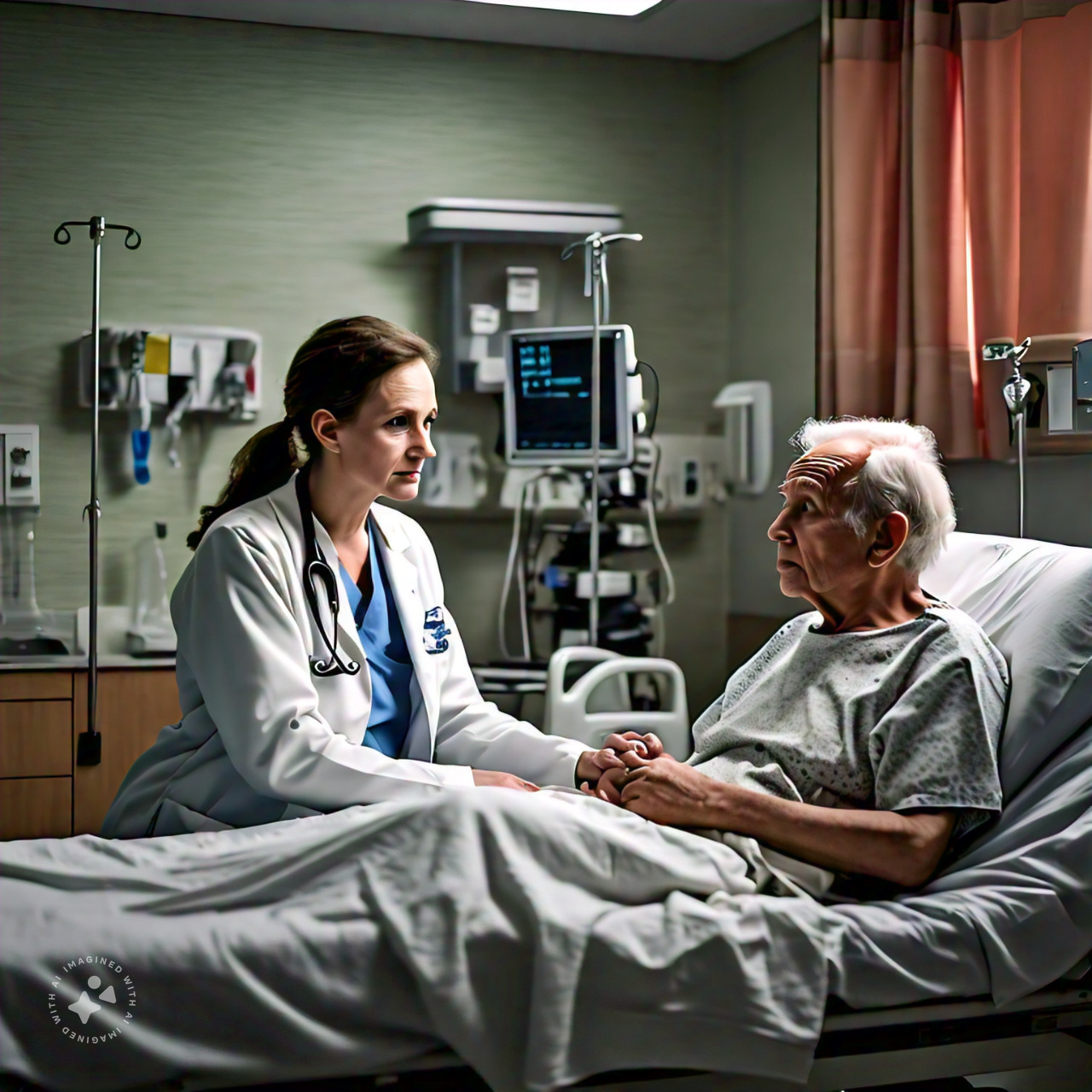
AI in Healthcare and the Future of Medicine
Artificial Intelligence (AI) has emerged as a powerful tool across various industries, and healthcare is no exception. From diagnostics to
Read story 5 min
Remote Health Monitoring: Revolutionizing Healthcare
 Health ATM
Remote Health Monitoring: Revolutionizing Healthcare
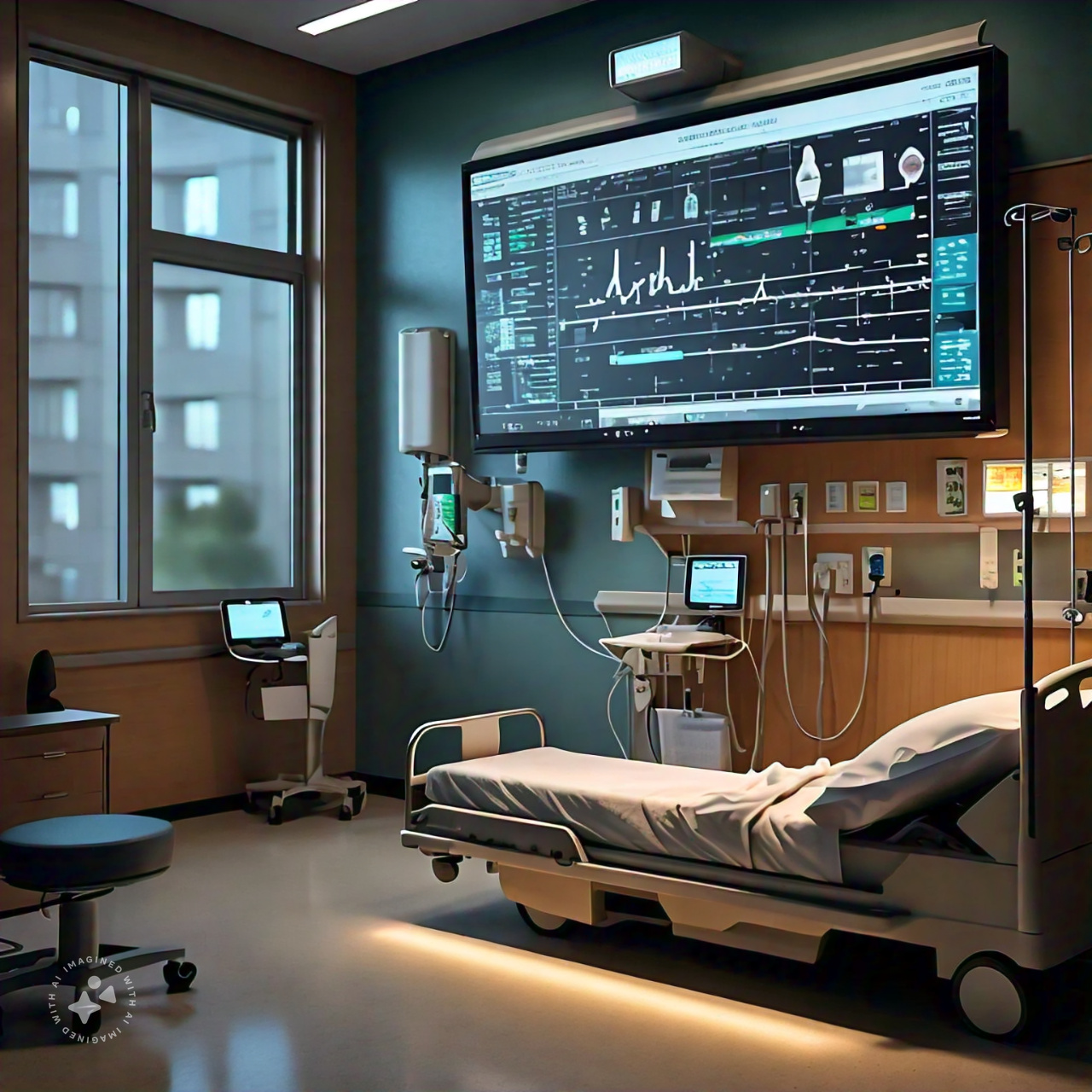
Remote Health Monitoring (RHM) is a transformative technology that enables healthcare professionals to monitor patients’ health remotely, improving outcomes, enhancing patient engagement, and reducing costs.
RHM involves using digital technologies to collect and transmit patients’ health data to healthcare providers in real-time. This allows for timely interventions, reducing the need for hospitalizations and emergency visits.
Conclusion
Remote Health Monitoring is transforming healthcare by improving patient outcomes, enhancing engagement, and reducing costs. As technology advances, RHM will become increasingly integral to healthcare delivery.
Your email is never published. Comments appear after a quick review.
Entry · HA-28Health ATMArtificial Intelligence (AI) has emerged as a powerful tool across various industries, and healthcare is no exception. From diagnostics to
 Entry · HA-64Health ATM
Quit Smoking: A Life-Saving Decision for Indians Smoking is a deadly habit that affects millions of Indians. According to the
 Entry · HA-25Health ATM
The Effects of Alcohol Consumption Alcohol consumption is a widespread and socially accepted practice, but its impact on our health,
We started Clinics on Cloud with a simple belief - that the quality of your healthcare should not depend on your postcode. Whether you're a government, corporate, NGO or entrepreneur - we built this for you.
+91 8999 073 447 · +91 9226 553 203
Mon – Sat · 9 AM to 6 PM IST
helpdesk@clinicsoncloud.com
Partnerships · Deployments · Support
www.clinicsoncloud.com
Products · Case Studies · News
Nighoje, Chakan MIDC
Pune, Maharashtra – 410501, India