 Entry · HA-06Health ATM
Guide to Exercise and Fitness: Tips, Tricks, and Strategies for a Healthier You
Guide to Exercise and Fitness: Tips, Tricks, and Strategies for a Healthier You Are you tired of feeling sluggish and
Read story 2 min
Insomnia: Symptoms, Causes, and Treatments
 Health ATM
Insomnia: Symptoms, Causes, and Treatments
Insomnia is defined as difficulty either falling or staying asleep that is accompanied by daytime impairments. It involves little or no sleep at all. It is a mental illness. It is usually not noticed early and is not felt until it takes a serious form.
Humans get this disease due to their modern lifestyle. Along with food, water, and clean air which are necessary for human life, sleep is equally necessary. Sleep and the brain are closely related.
Insomnia is when you have trouble sleeping. Over time, the effects can grow and become severe.
Sleep habits and needs can be very different from person to person. Because of these differences, experts consider a wide range of sleep characteristics “normal.” Some examples of this include:
Doctors list the following symptoms to tell if you have insomnia.
These symptoms, if repeated, should not be ignored:
Although many conditions can cause insomnia, it is still treatable. Simple changes in routine can be beneficial.
The factors that could cause this include the following:
When to Visit a doctor?
If insomnia persists for more than 3-4 weeks or interferes with a person’s daytime activities and ability to function, he or she needs immediate medical attention.
A diagnosis of insomnia may include:
Many people can get better sleep by changing sleep habits and addressing concerns that can cause insomnia, such as stress, medical illness, or medications. If these methods don’t work, doctors may suggest cognitive behavioral therapy, sleep medications, or a combination. This can help you fall asleep.
The main approaches to treating insomnia are:
Your email is never published. Comments appear after a quick review.
Entry · HA-06Health ATMGuide to Exercise and Fitness: Tips, Tricks, and Strategies for a Healthier You Are you tired of feeling sluggish and
 Entry · HA-86Health ATM
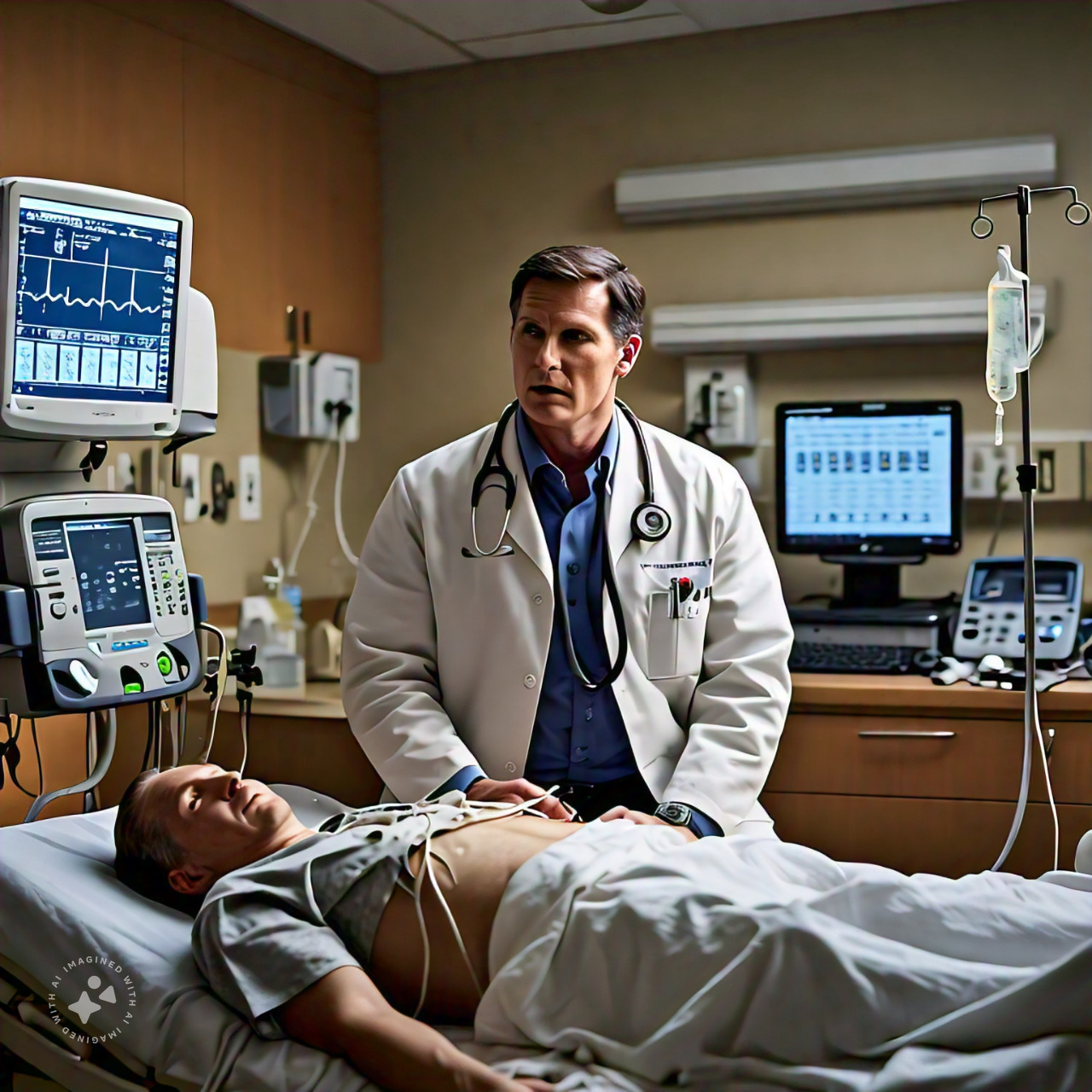
Definition and Meaning Cardiovascular health refers to the well-being of the heart, blood vessels, and the overall circulatory system. Cardiovascular
 Entry · HA-44Health ATM
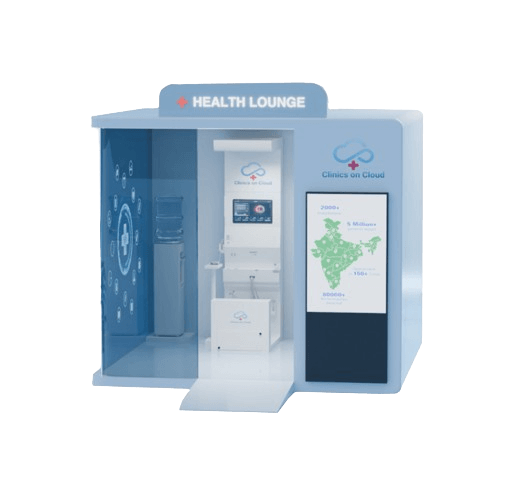
When it comes to purchasing a Health ATM, there are several factors to consider to ensure you find the right
We started Clinics on Cloud with a simple belief - that the quality of your healthcare should not depend on your postcode. Whether you're a government, corporate, NGO or entrepreneur - we built this for you.
+91 8999 073 447 · +91 9226 553 203
Mon – Sat · 9 AM to 6 PM IST
helpdesk@clinicsoncloud.com
Partnerships · Deployments · Support
www.clinicsoncloud.com
Products · Case Studies · News
Nighoje, Chakan MIDC
Pune, Maharashtra – 410501, India