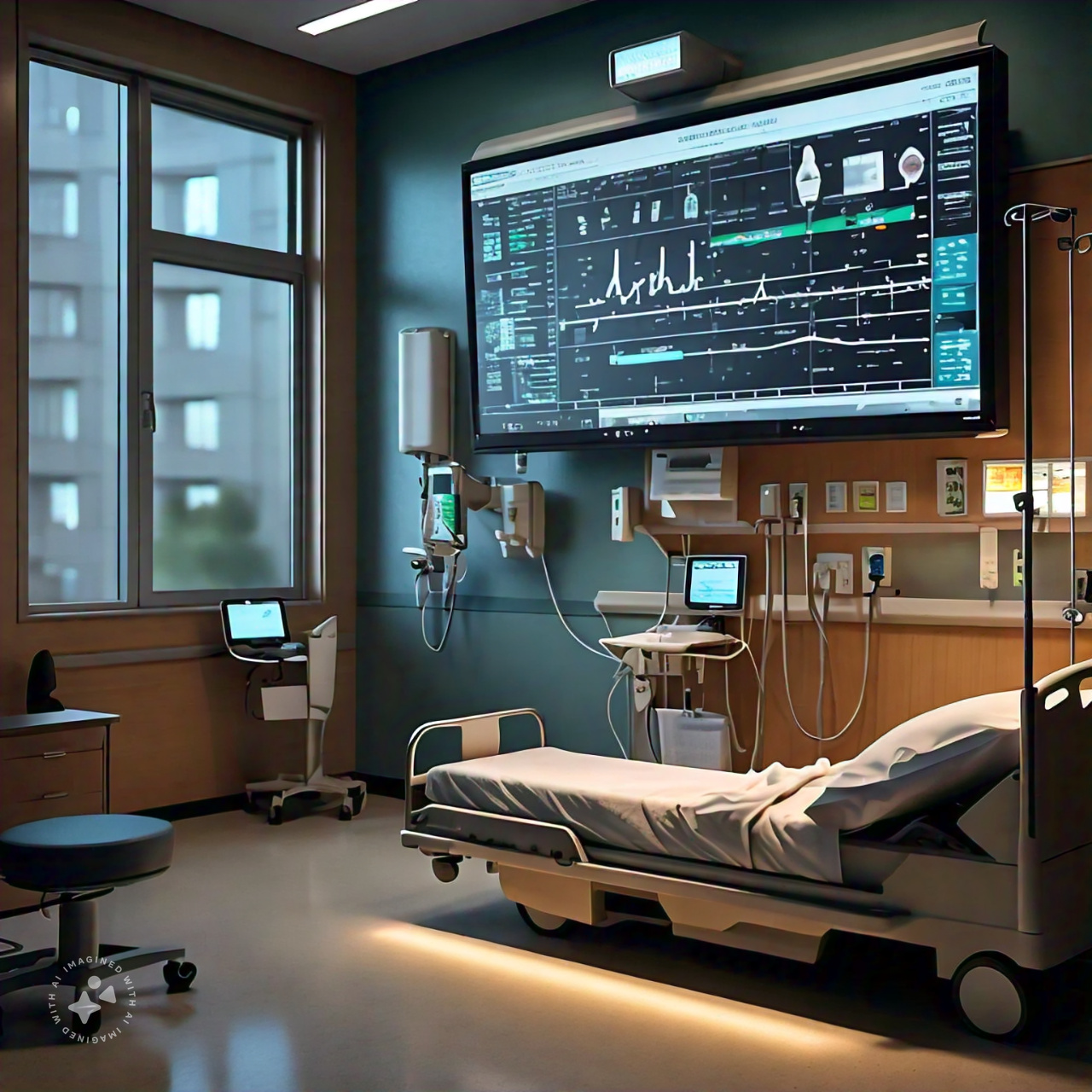
 Entry · HA-65Health ATM
What is Remote Health Monitoring?
Remote Health Monitoring: Revolutionizing Healthcare Remote Health Monitoring (RHM) is a transformative technology that enables healthcare professionals to monitor patients’
Read story 2 min
A health kiosk is a self-service, tech-enabled station for quick, automated health checks
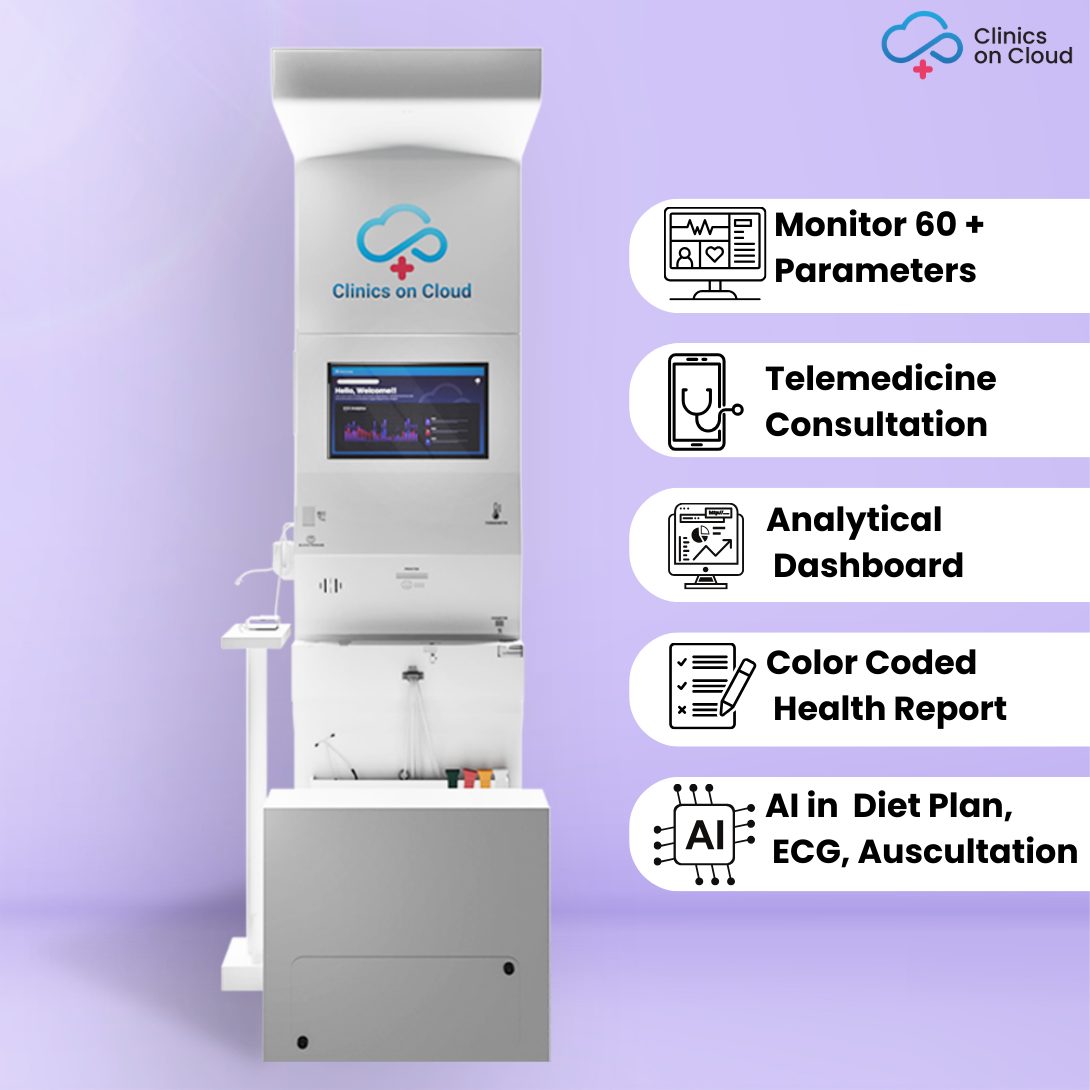 Health ATM
A health kiosk is a self-service, tech-enabled station for quick, automated health checks
Health kiosks are transforming the way people access healthcare by offering simple, self-service solutions for health screenings. These advanced devices help individuals quickly assess their health status and stay informed about their well-being without needing to visit a doctor for basic checks. In this article, we will explore what a health kiosk is, its benefits, key features, applications, and future possibilities.
A health kiosk is an interactive self-service device designed to help individuals access vital health information quickly and efficiently. These kiosks are equipped with various sensors and medical devices that allow users to check their blood pressure, heart rate, BMI, and more. Found in places like pharmacies, corporate offices, and hospitals, health kiosks bring healthcare closer to those who may not have easy access to regular medical services.
Think of a health kiosk like a mini-clinic that operates 24/7, providing quick assessments without long wait times or the need for appointments. But what makes them so valuable?
Health kiosks are accessible around the clock, enabling users to monitor their health without scheduling a doctor’s appointment. Found in public spaces, these kiosks make it easy for everyone, including those in rural areas or with busy schedules, to keep an eye on their health.
Using a health kiosk saves time and money. A person can quickly check their vital signs, such as blood pressure and heart rate, without needing to pay for a medical visit or spend time waiting for an appointment. This convenience is particularly useful for regular health check-ups.
For many, discussing health concerns openly can be uncomfortable. Health kiosks allow users to input personal data directly into a secure system, ensuring privacy and confidentiality. This feature encourages more people to monitor their health frequently without worrying about exposing sensitive information.
Health kiosks often come equipped with automated blood pressure cuffs that offer quick, accurate readings. This feature is ideal for those who need to track hypertension or manage cardiovascular health.
BMI is a simple way to check if your weight is within a healthy range. Health kiosks measure your height and weight, then calculate your BMI to help assess weight-related health risks.
Non-invasive heart rate monitors in health kiosks help users keep tabs on their heart health. For people who exercise regularly or are conscious of their cardiovascular well-being, this is an essential feature.
Infrared thermometers in health kiosks can measure body temperature without direct contact. This feature became particularly popular during public health emergencies like the COVID-19 pandemic.
Health kiosks can assess user data and identify potential health risks. These evaluations may include prompts for further medical consultation if a concerning metric is detected.
Using a health kiosk is straightforward. Users begin by entering basic details like age, gender, and height into the touch screen interface. They can then choose from various tests, such as blood pressure checks or BMI calculations.
The machine guides the user through the process step-by-step. For instance, when measuring blood pressure, the user places their arm into a cuff, and the machine takes the measurement automatically. Results are displayed on the screen and can be printed or sent via email for future reference.
Health kiosks are often placed in clinics and hospitals to complement existing medical services. Patients can use them before or after appointments to monitor their health, helping reduce wait times and streamline healthcare resources.
Many retail pharmacies have health kiosks, enabling customers to check their vital signs and gain insights into their general health. This allows them to make informed decisions, such as whether to purchase over-the-counter medications or seek professional advice.
Companies use health kiosks as part of their wellness initiatives to encourage employees to stay healthy. By making it convenient for employees to check their health metrics, organizations foster a culture of preventive care and overall well-being.
While health kiosks are designed to provide accurate readings, results may vary due to calibration issues, user error, or lack of maintenance. It’s important to treat the results as preliminary and follow up with a healthcare provider when necessary.
Unlike traditional healthcare visits, health kiosks do not offer the personalized guidance of a doctor or nurse. While they are helpful for basic health monitoring, they are not substitutes for professional medical evaluations.
Health kiosks can monitor vital signs but are not equipped to diagnose complex conditions. Users should seek further medical evaluation if they experience symptoms or health concerns.
Future health kiosks may be able to connect directly to electronic health records (EHRs), making it easy for users to share their health data with their healthcare providers. This would streamline the process of tracking health over time and improve continuity of care.
Advanced technologies such as artificial intelligence and machine learning could be integrated into health kiosks to analyze user data, identify trends, and provide personalized health recommendations. This would make health kiosks more proactive in managing users’ health and foreseeing potential risks.
Health kiosks offer a quick, convenient way to perform routine health checks without an appointment, but they lack the comprehensive care provided by a healthcare professional. They should be viewed as supplementary tools, not replacements for traditional healthcare.
Health kiosks are designed to be user-friendly, with simple instructions and touchscreens that guide users through each step. They are usually located in easily accessible places like malls, pharmacies, and corporate offices, making them available to a wide range of users.
Health kiosks play an important role in promoting preventive health by encouraging individuals to monitor their vital signs regularly. This allows early detection of potential health issues and empowers users to take proactive measures to maintain their well-being.
Health kiosks offer an accessible, easy-to-use solution for health monitoring. With features like blood pressure management, BMI calculation, and heart rate monitoring, these devices help individuals stay informed and take charge of their health. While they do have limitations and should not replace professional medical advice, their role in preventive healthcare is invaluable. As technology continues to evolve, health kiosks will likely become more sophisticated, offering even more robust health management options.
A health kiosk is a self-service machine that allows individuals to check their health metrics, such as blood pressure and BMI, in a convenient and accessible manner.
No, health kiosks are designed for basic health assessments and cannot diagnose medical conditions. Users should consult a healthcare professional for any specific health concerns.
Health kiosks are typically found in pharmacies, healthcare facilities, corporate offices, and public spaces like shopping malls.
Health kiosk readings are generally reliable but can be influenced by factors like calibration and user technique. It is best to use them as a guide and follow up with a healthcare provider if needed.
The main benefits include convenience, time and cost savings, privacy, and the ability to monitor health metrics independently.
Your email is never published. Comments appear after a quick review.
Entry · HA-65Health ATMRemote Health Monitoring: Revolutionizing Healthcare Remote Health Monitoring (RHM) is a transformative technology that enables healthcare professionals to monitor patients’
 Entry · HA-28Health ATM
Artificial Intelligence (AI) has emerged as a powerful tool across various industries, and healthcare is no exception. From diagnostics to
 Entry · HA-64Health ATM
Quit Smoking: A Life-Saving Decision for Indians Smoking is a deadly habit that affects millions of Indians. According to the
We started Clinics on Cloud with a simple belief - that the quality of your healthcare should not depend on your postcode. Whether you're a government, corporate, NGO or entrepreneur - we built this for you.
+91 8999 073 447 · +91 9226 553 203
Mon – Sat · 9 AM to 6 PM IST
helpdesk@clinicsoncloud.com
Partnerships · Deployments · Support
www.clinicsoncloud.com
Products · Case Studies · News
Nighoje, Chakan MIDC
Pune, Maharashtra – 410501, India