HomeBlogMental Health: 7 Basic Ways To Take Care of Your Mental Health
Article31 July 20249 min
Mental Health: 7 Basic Ways To Take Care of Your Mental Health
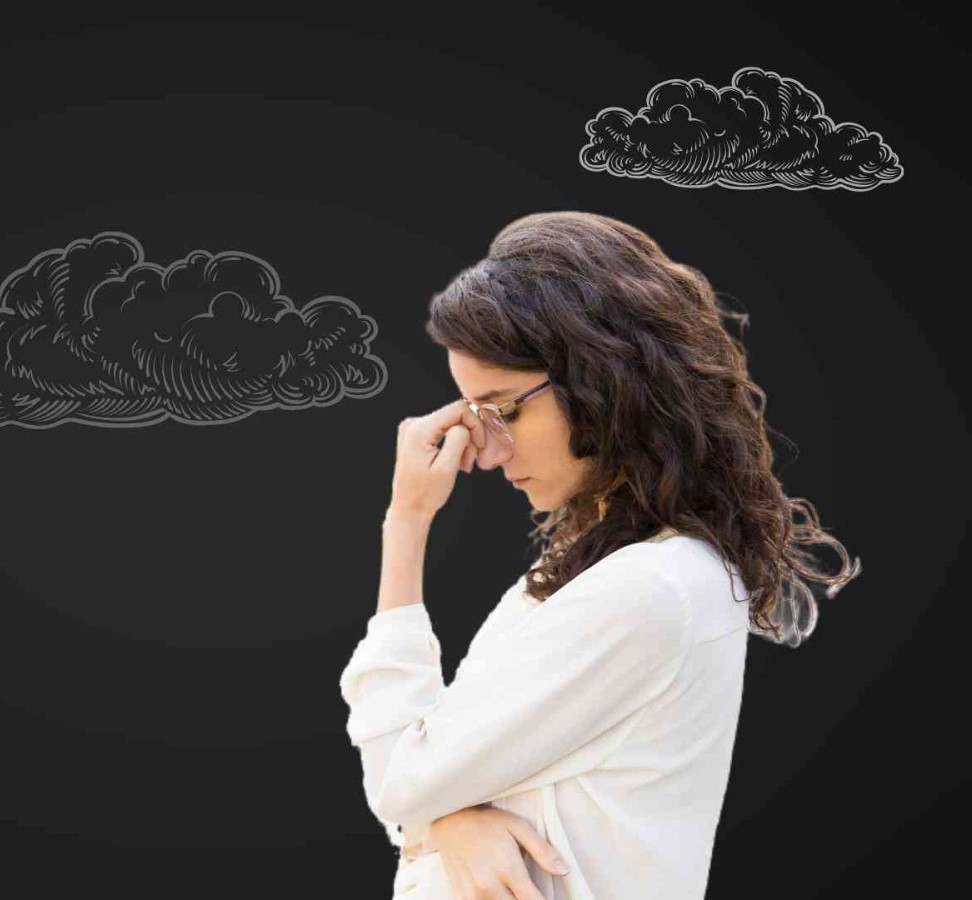
Mental health is like the weather inside your head. It can be sunny, cloudy, or stormy. Just like we take care of our bodies, we need to take care of our minds too. Mental health is about feeling good, handling stress, building relationships, and making healthy choices.
CCClinics On Cloud TeamPublished from Pune, India
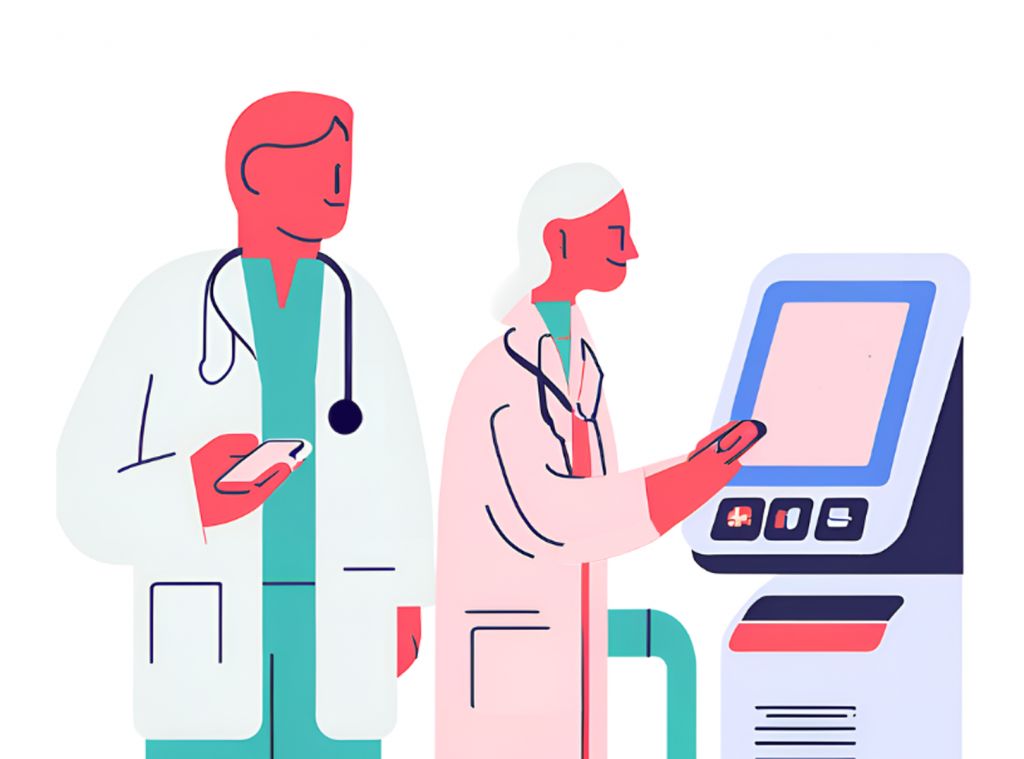
Health ATM
1] Understanding Mental Health
Mental health is like the weather inside your head. It can be sunny, cloudy, or stormy. Just like we take care of our bodies, we need to take care of our minds too. Mental health is about feeling good, handling stress, building relationships, and making healthy choices.
The Importance of Mental Well-being
Having good mental health is like having a strong foundation. It helps you deal with life’s ups and downs, reach your goals, and enjoy life more. When you feel good inside, it shows on the outside. You might be more energetic, creative, and connected to others.
Signs of Mental Health Issues
Sometimes, the weather inside our heads can get stormy. This is when we might feel sad, worried, or angry most of the time. Other signs include changes in sleep, eating habits, or energy levels. If you notice these things, it’s important to talk to someone.
It’s Time to Break the Silence
Many people feel ashamed or scared to talk about mental health. But it’s important to remember that you’re not alone. There are people who can help. Talking to a friend, family member, or a mental health professional can make a big difference.
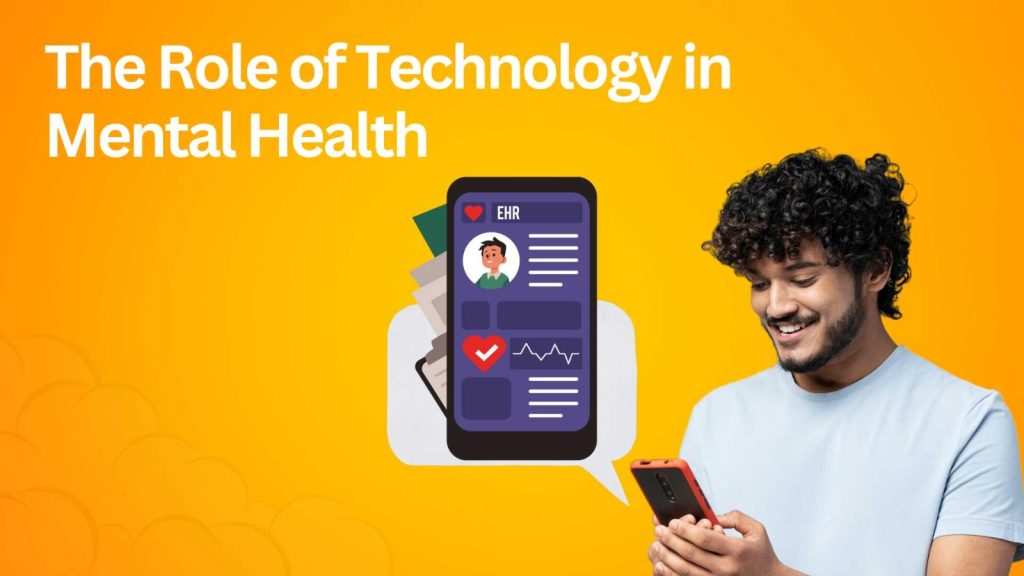
The Role of Technology in Mental Health
Technology can be a great tool for managing mental health. There are apps, websites, and online communities that can offer support and information. However, it’s important to remember that technology is not a replacement for real-life connections.
The Role of Technology in Mental Health
The Role of Health ATM in Promoting Mental Well-being
Health ATMs, designed to provide convenient and accessible physical health screenings, can also play a crucial role in addressing mental health concerns. By integrating mental health resources and information into these kiosks, we can foster a culture of prevention and early intervention.
Stigma Reduction: Placing mental health information alongside physical health screenings can help to destigmatize mental health issues and encourage open conversations.
Early Detection: Regular health checks can identify physical symptoms that often accompany mental health issues, such as changes in sleep patterns, appetite, or energy levels.
2] Understanding and Coping with Anxiety
What is Anxiety?
Anxiety is like feeling worried or scared all the time. It’s okay to feel anxious sometimes, but when it starts to bother you a lot or stops you from doing things you enjoy, it might be a problem.
Signs of Anxiety
There are many ways anxiety can show up. You might feel restless, tired, or have trouble concentrating. You might also have a fast heartbeat, sweaty palms, or stomach problems.
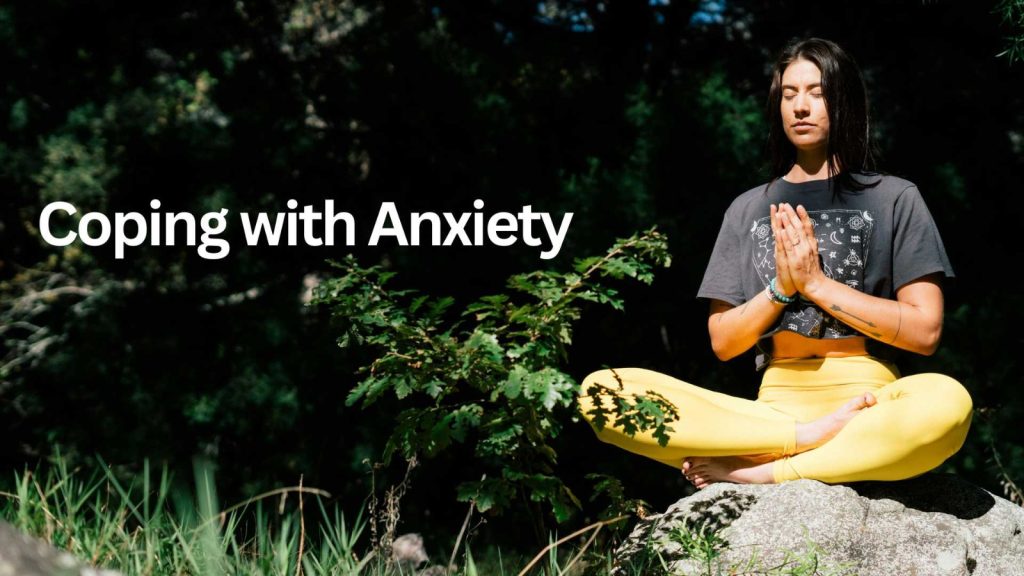
Coping with Anxiety
There are lots of ways to manage anxiety. One important thing is to talk about how you feel with someone you trust. You can also try relaxation techniques like deep breathing, meditation, or yoga. Exercise is also great for reducing anxiety.
Coping with Anxiety
The Role of Technology
There are apps and websites that can help you manage anxiety. Some offer relaxation exercises, while others connect you with people who understand what you’re going through. But remember, technology is not a replacement for real-life support.
3] How Anxiety Affects Our Day-to-Day Lives
Anxiety can feel like a shadow that follows you everywhere. It can affect different parts of your life, making it harder to do things you enjoy.
Anxiety and Relationships
When you’re feeling anxious, it can be tough to connect with others. You might worry about what people think or say, which can make it hard to build and maintain relationships.
Anxiety and Work or School
Feeling anxious can make it hard to concentrate, remember things, and make decisions. This can affect your performance at work or school. You might also avoid certain situations or tasks because of anxiety.
Anxiety and Physical Health
Anxiety can take a toll on your body. You might experience headaches, stomach problems, or trouble sleeping. It’s important to take care of both your mental and physical health.
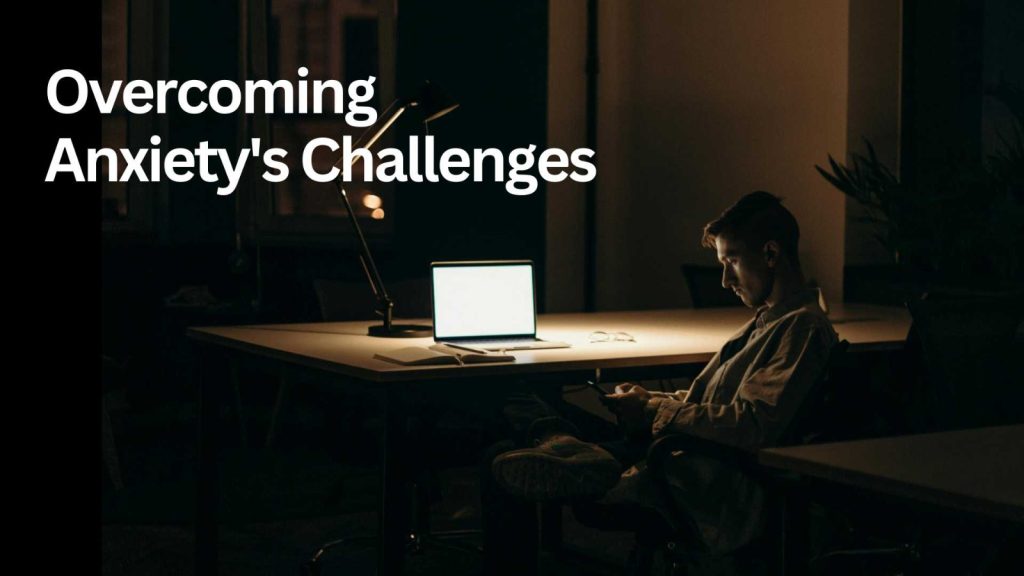
Overcoming Anxiety’s Challenges
Remember, you’re not alone. Many people struggle with anxiety. There are things you can do to manage it and improve your quality of life. Seeking support from friends, family, or a mental health professional can make a big difference.
Overcoming Anxiety's Challenges
4] Different Types of Anxiety Disorders
Anxiety comes in many forms. Understanding the different types can help you recognize your specific challenges and find the right coping strategies.
Generalized Anxiety Disorder (GAD)
A person with GAD feels worried about everything, all the time. It can be hard to relax and focus on other things.
Panic Disorder
Panic attacks are sudden feelings of intense fear or discomfort. They can happen without warning and cause physical symptoms like a racing heart, sweating, and shortness of breath.
Social Anxiety Disorder
Social anxiety is the fear of social situations. It can make it hard to talk to people, attend parties, or even eat in public.
Specific Phobias
A phobia is an intense fear of something specific, like heights, spiders, or flying.
Obsessive-Compulsive Disorder (OCD)
OCD involves unwanted, repeated thoughts (obsessions) and actions (compulsions). People with OCD often feel like they have to do things in a certain way to feel safe.
5] Anxiety Management Techniques
Managing anxiety involves finding what works best for you. There are many techniques to try. Let’s explore some popular ones.
Relaxation Techniques
Deep breathing: This simple technique can help calm your body and mind.
Meditation and mindfulness: Focusing on the present moment can reduce anxiety.
Progressive muscle relaxation: Tensing and releasing different muscle groups can help relieve physical tension.
Healthy Lifestyle Habits
Regular exercise: Physical activity helps reduce stress and anxiety.
Balanced diet: Eating nutritious foods can improve your mood and energy levels.
Sufficient sleep: Getting enough rest is essential for managing anxiety.
Limit caffeine and alcohol: These substances can worsen anxiety symptoms.
Building Resilience
Challenge negative thoughts: Identify and replace negative thoughts with positive ones.
Time management: Breaking tasks into smaller steps can reduce overwhelm.
Social support: Connecting with friends and family can provide comfort and support.
6] The Power of Therapy
Therapy is a valuable tool for managing anxiety. It provides a safe space to talk about your feelings and learn coping strategies.
The different types of therapy
Cognitive-Behavioral Therapy (CBT): This therapy helps you identify and change negative thought patterns.
Exposure Therapy: Gradually facing your fears can help reduce anxiety over time.
Acceptance and Commitment Therapy (ACT): This therapy focuses on accepting your thoughts and feelings while taking action towards your goals.
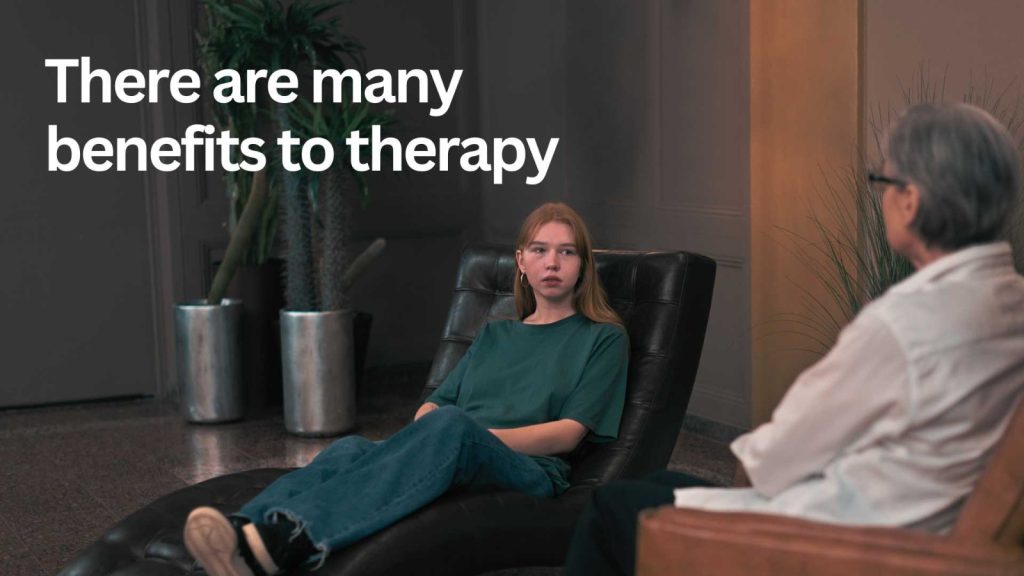
There are many benefits to therapy
Developing coping skills: Learn effective strategies to manage anxiety.
Improving relationships: Therapy can help you build stronger connections with others.
Increasing self-esteem: Gain confidence in your ability to overcome challenges.
Understanding anxiety: Learn about the causes and symptoms of anxiety.
7] Choosing the Right Therapist
Choosing a therapist can feel overwhelming. But remember, the most important thing is finding someone you feel comfortable talking to.
How to Find a Therapist
Ask for referrals: Talk to your doctor, friends, or family members for recommendations.
Online directories: Websites like Psychology Today offer therapist listings.
Insurance providers: Check your insurance plan for in-network therapists.
Consider your needs: Look for a therapist who specializes in anxiety or your specific concerns.
What to Look For in a Therapist
Experience: Look for a therapist with experience in treating anxiety disorders.
Therapeutic approach: Consider if their approach aligns with your preferences.
Personality: Choose someone you feel comfortable and connected with.
Cost and insurance: Ensure the therapy fits your budget and insurance coverage.
The First Session
Your first session is an opportunity to get to know the therapist and share your concerns. Be open and honest about your feelings and expectations.
There are many benefits to therapy
Remember, finding the right therapist takes time. Don’t be afraid to try different therapists until you find the best fit.
Mental Health in Specific Groups
Mental Health and Children
Children and teens face unique mental health challenges. It’s essential to recognize the signs of mental health issues in young people and provide appropriate support.
Understanding children’s mental health: Common mental health concerns in childhood and adolescence.
The role of parents and caregivers: How to support children’s mental well-being.
Bullying and its impact on mental health: Tips for parents and children.
Screen time and mental health: Balancing digital life with well-being.
Mental Health and Older Adults
As we age, our mental health needs change. It’s important to address specific concerns related to older adults.
Common mental health issues in older adults: Depression, anxiety, and dementia.
The role of social connections: Building strong relationships in later life.
Caregiver stress and mental health: Tips for supporting loved ones.
Loneliness and isolation: Strategies for combating loneliness.
Mental Health in Children and Teens
Understanding Children’s Mental Health
Children’s mental health is just as important as their physical health. It’s about how they feel, think, and behave. While it’s normal for kids to have ups and downs, persistent problems can signal a deeper issue.
Common Mental Health Challenges in Children
Anxiety: Excessive worry, fear, or nervousness.
Depression: Persistent sadness, loss of interest, and changes in appetite or sleep.
ADHD: Difficulty paying attention, hyperactivity, and impulsiveness.
Autism Spectrum Disorder: Challenges with social interaction, communication, and repetitive behaviors.
Learning disabilities: Difficulties with reading, writing, or math.
Signs to Watch For
It can be tough to spot mental health issues in children. Some common signs include:
Changes in mood or behavior
Difficulty concentrating or completing tasks
Withdrawal from friends or activities
Changes in eating or sleep patterns
Self-harm or suicidal thoughts
If you’re concerned about your child’s mental health, it’s important to seek professional help.
Supporting Your Child’s Mental Well-being
Open communication: Create a safe space for your child to express their feelings.
Limit screen time: Encourage outdoor activities and physical exercise.
Build strong relationships: Foster connections with family and friends.
Seek professional help when needed: Don’t hesitate to consult a child psychologist or psychiatrist.
Frequently Asked Questions About Mental Health
What is mental health? Mental health is how we think, feel, and behave. It affects how we handle stress, relate to others, and make choices.
What are the signs of poor mental health?
Changes in mood, sleep, appetite, energy levels, and difficulty concentrating can be signs of poor mental health.
Is it normal to feel anxious or depressed sometimes?
It's normal to experience ups and downs, but if these feelings are persistent and interfering with your daily life, it might be helpful to seek support.
How do I find a mental health professional?
You can ask your doctor for a referral, search online directories, or contact your insurance provider
Will therapy help me?
Therapy can be very effective in managing mental health conditions. It provides tools and support to help you cope.
Is medication necessary for mental health?
It's normal to experience ups and downs, but if these feelings are persistent and interfering with your daily life, it might be helpful to seek support.
How can I reduce stress?
Techniques like deep breathing, meditation, and exercise can help manage stress.
What is the role of sleep in mental health?
Getting enough quality sleep is essential for overall well-being and can help manage mood.
Can diet and exercise affect mental health?
Yes, a healthy diet and regular exercise can improve mood and energy levels.
Why is there stigma around mental health?
Mental health has been misunderstood and stigmatized for many years, but attitudes are changing.
How can I help reduce stigma?
Yes, a healthy diet and regular exercise can improve mood and energy levels.
We started Clinics on Cloud with a simple belief - that the quality of your healthcare should not depend on your postcode. Whether you're a government, corporate, NGO or entrepreneur - we built this for you.
Call us
+91 8999 073 447 · +91 9226 553 203
Mon – Sat · 9 AM to 6 PM IST
Write to us
helpdesk@clinicsoncloud.com
Partnerships · Deployments · Support
Visit us online
www.clinicsoncloud.com
Products · Case Studies · News
Find us
Nighoje, Chakan MIDC
Pune, Maharashtra – 410501, India
Built for every kind of health partner.
Government Body Corporate / HR Team NGO / CSR Partner Hospital or Clinic Defence Organisation International Partner Investor / Distributor Rural Entrepreneur
 Entry · HA-24Health ATM